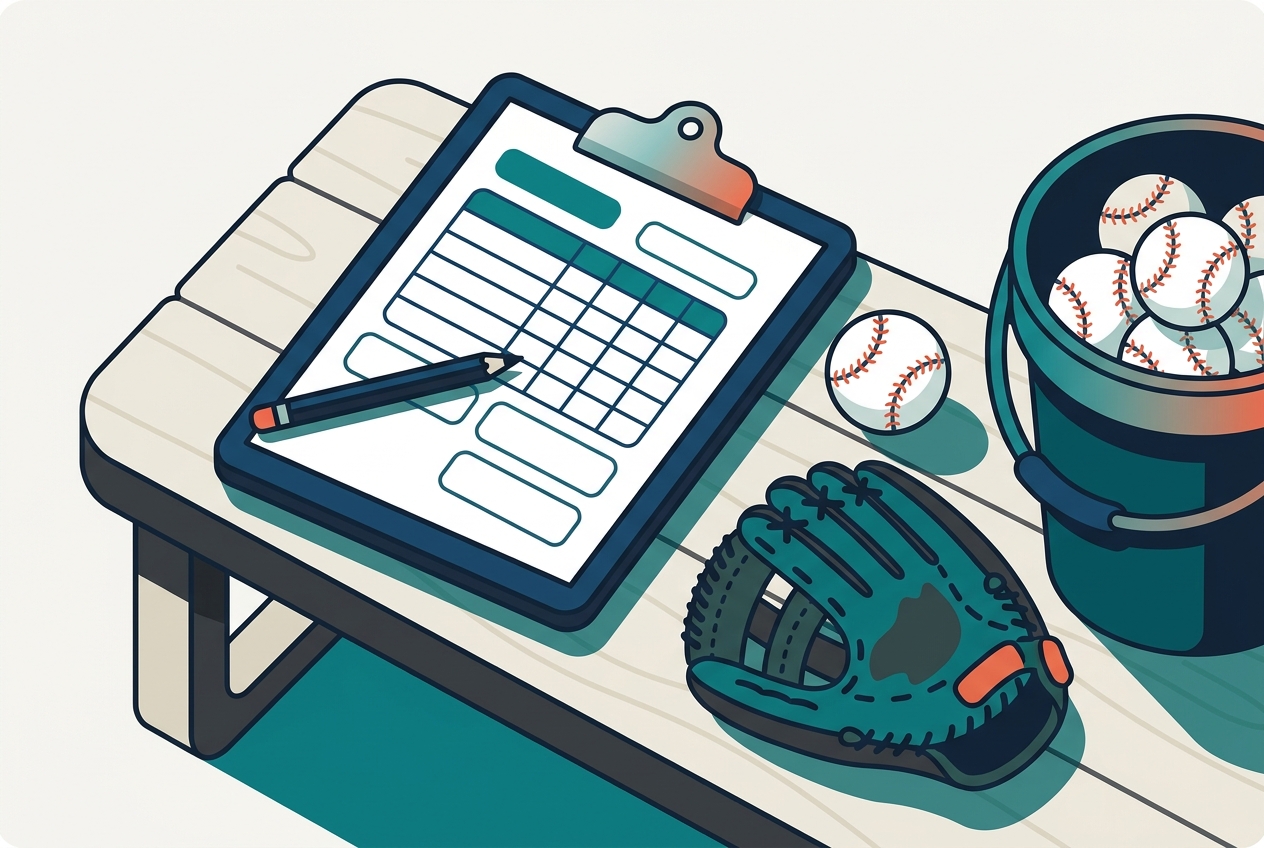
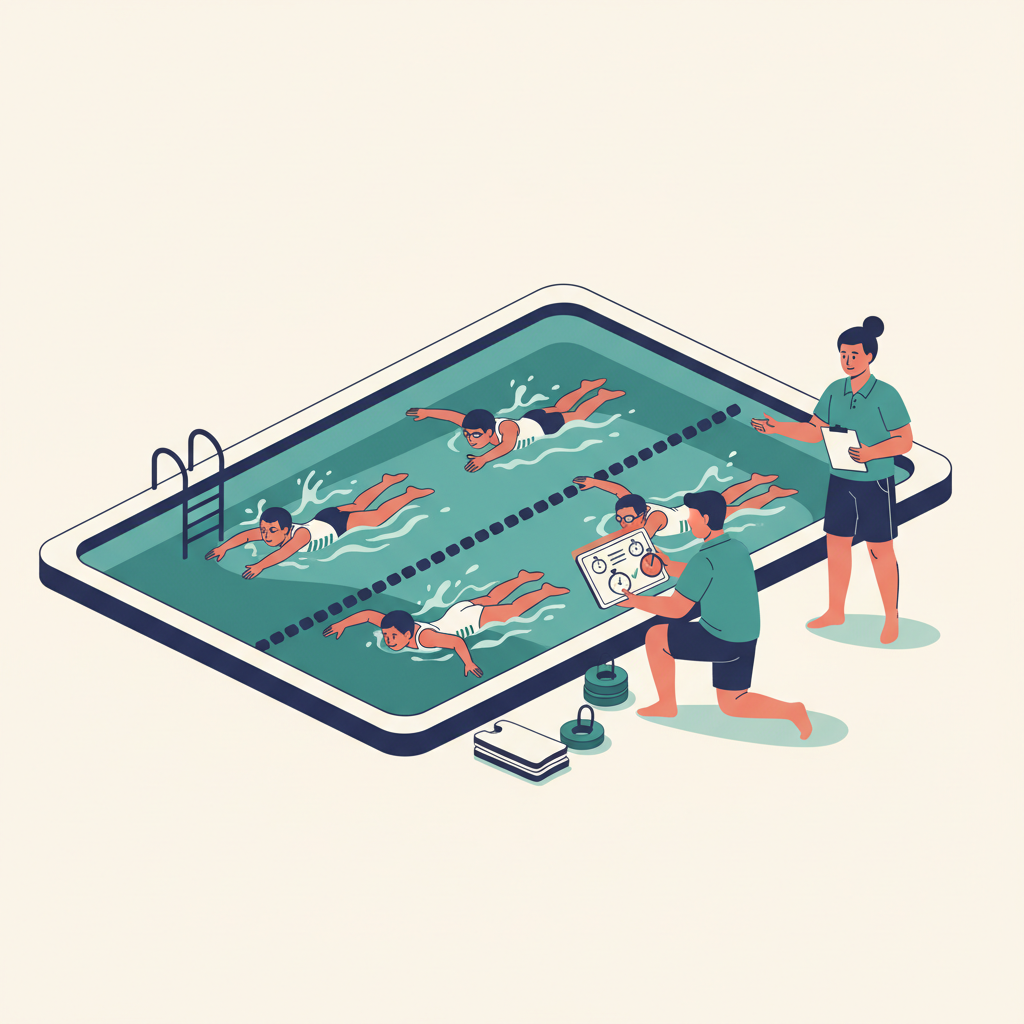
An 8U baseball practice plan should run 60 minutes, change activity every 10 to 15 minutes, and keep every player swinging, fielding, throwing, or running the entire time. The plan below does that in six blocks: tee work on arrival, a short throwing progression, a ground ball triangle, a hitting game that keeps score, a base-running relay, and a five-minute circle. It is built from modules in the
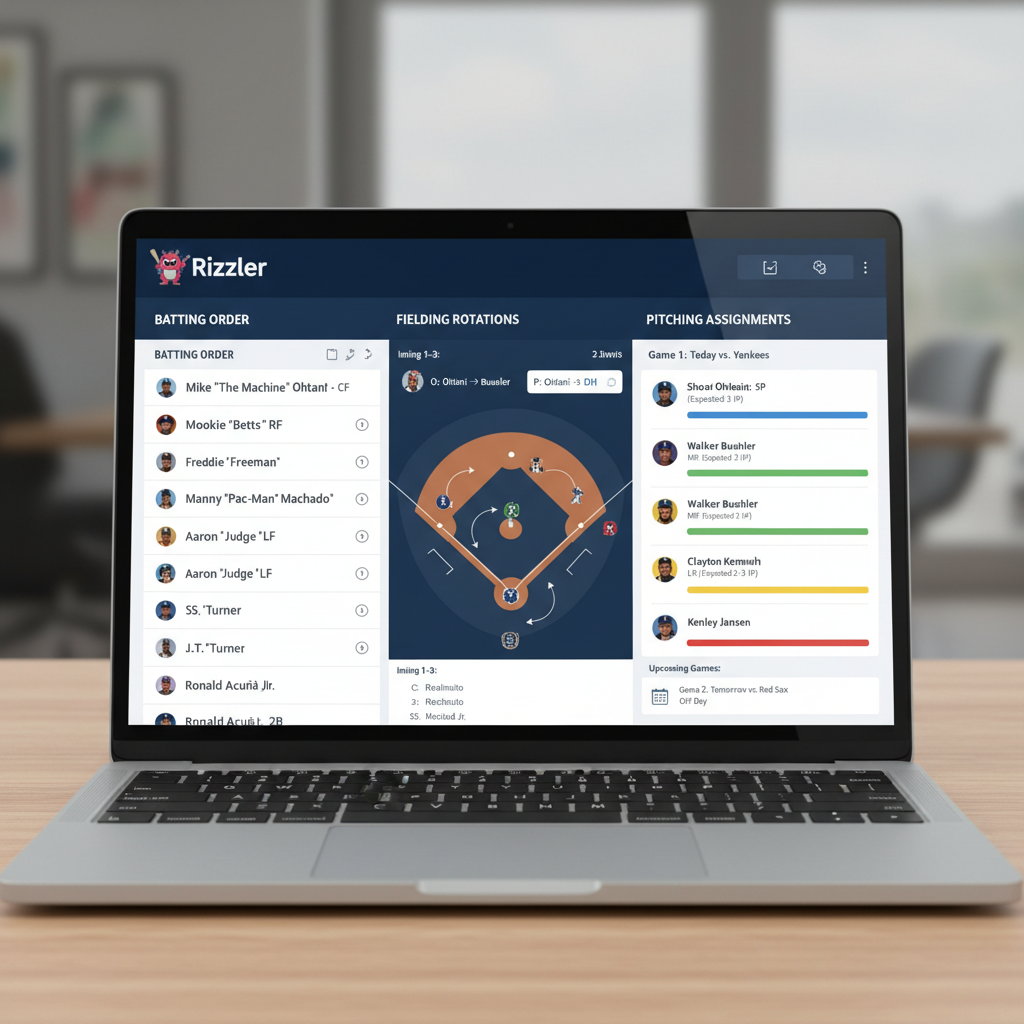
free baseball practice planner, so you can open it there, swap a block, and print a one-page coach sheet.
The 60-Minute 8U Practice Plan
The plan is 10 minutes of arrival tee work, 10 minutes of throwing, 12 minutes of ground balls, 15 minutes of a hitting game, an 8-minute relay, and a 5-minute circle, which adds up to 60 with no block long enough for a seven year old to get bored.
Baseball practice plan · 6-8 (T-ball, coach pitch)
8U Baseball Practice Plan (60 Minutes)
60 min · 6 segments
Trickle-In Tee & Net
Early arrivers rotate through tee-and-net swing stations at their own pace before practice starts.
Throwing Progression Ladder
Structured partner throwing that builds from wrist flips to long toss with a target-hitting focus.
Ground Ball Triangle
Continuous rolled ground balls in a three-cone triangle — footwork, funnel, and feeds at maximum rep speed.
Line Drive Derby
Point-scoring front-toss game: line drives score big, grounders one, popups zero. Kids beg to play again.
Around-the-Horn Base Race
Two-team relay race around the bases — sprint conditioning disguised as the loudest game of the night.
Circle Up: Wins & One Thing
Coach-led reflection circle: name today's wins, one thing to improve, and the message for the next game.
Equipment: tees, hitting nets or fence screens, buckets of balls, bats, helmets, gloves, one ball per pair, cones, bucket of balls, L-screen, bases, helmets optional, stopwatch
Trickle-In Tee and Net (10 minutes). Set up two or three tees, spaced well apart, hitting into a net or the backstop before anyone arrives. With one adult standing at the tees, the first player through the gate puts a helmet on and starts swinging. One hitter per tee, everyone else behind a cone line, and nobody stands around waiting for the last carpool. Coaching point: balanced finish, hold it for one count.
Throwing Progression Ladder (10 minutes). Partners start ten feet apart with wrist flips, step back to 20 feet, then 30, and stop at about 40. At this age the ladder is about two things only: step toward your partner, and catch with two hands. Pair players of similar skill so the ball spends more time in gloves than rolling to the fence.
Ground Ball Triangle (12 minutes). Three cones, groups of three or four, and a coach or parent rolling balls by hand. Rolled balls give clean, predictable hops, which is what builds confidence; fungo bats at 8U mostly produce flinching. Every player should get 25 or more reps in the block. Coaching point: glove out front where your eyes can see it.
Line Drive Derby (15 minutes). Front toss from a coach on one knee behind a screen, six to eight swings per hitter, with a scoreboard: a line drive scores three, a grounder scores one, a popup scores zero. Split into two teams. The hitting team waits behind the fence or a cone line with bats down, and one helmeted hitter is up at a time. The team not hitting fields in athletic ready position and calls the score out loud. The scoring teaches hitters to drive the ball on a line without a word about mechanics.
Around-the-Horn Base Race (8 minutes). Two teams, one starting at home and one at second, relay around the bases. Missing a bag restarts the lap, so everyone learns to touch the base. This is the conditioning, and it is the loudest block of the night.
Circle Up (5 minutes). Name two wins by player name, ask one question, give one thing to practice at home, and say when the next practice is. Five minutes is the limit of the attention you have left.
Station Setup and Group Sizes
The rule at 8U is no line longer than four players, which for a 12-player roster means three groups. One coach cannot run three groups alone, so recruit two parents before the season and give them the jobs that need no baseball knowledge: rolling ground balls, feeding the tee station, and counting the score.
Set the field before players arrive: tees and net along the fence, the triangle cones on the infield grass, and the toss screen at home plate. Moving between blocks should take under a minute. Use a whistle or a countdown to rotate, and have players run between stations; the transitions are where 8U practices lose ten minutes without anyone noticing.
If you have only one helper, run two groups of six and shorten the rep count, or replace the triangle with two lines of three fielding rolled balls from two feeders. If you have no helper, the scoring games carry the practice, because a game with a score runs itself better than a drill does.
Coach Pitch and Machine Pitch: What Changes
In coach-pitch leagues, practice front toss from the same distance and arm slot the game coach uses, because hitters at this age time one delivery and struggle with a different one. Throw firm and flat; a slow, looping toss is harder for an eight year old to hit than a firm one. In machine-pitch leagues, take a few rounds off the machine every practice so the speed is familiar, and then use front toss for volume, since a machine gives fewer swings per minute.
Some 8U leagues introduce kid pitch for part of the game. If yours does, add five minutes of pitching basics to the throwing ladder for every player, not only the ones who want to pitch: stand sideways, lift the knee, step to the catcher, throw. Keep the counts low. Little League limits pitchers aged 6 to 8 to 50 pitches in a day, and the
pitch count limits guide covers the required rest days. Most 8U pitchers should be far under that number.
6U and 7U Adjustments
For 6U and 7U, keep the same six-block shape and shorten each block: eight minutes on the tee, eight of throwing from closer in, ten of rolled ground balls, ten of hitting off the tee into the field with baserunners, a five-minute relay, and a short circle. That is about 45 to 50 minutes, which is the right length. Use softer safety balls for throwing and catching so fear of the ball does not become the lesson. If most of your team is brand new to the sport, the
tee ball coaching guide has the full first-season approach.