Rizzler Sports Logo
How it WorksPricingLearnFree Lineup Generator
Learn

12U Softball Practice Plan (90 Minutes)
A 12U softball practice plan should run 90 minutes and give its longest live block, 20 minutes, to team defense, because 12U is where the game speeds up: the ball is now 12 inches, the pitching distance is 40 feet, runners steal, and a defense that does not know the play before the pitch gives away two bases at a time. The plan below has seven blocks: arrival tee work, a basepath warm-up, a throwing progression, a hitting circuit with bunting, a bullpen block, 21 Outs, and a circle talk. Open it in the free softball practice planner to change the length or swap a block.
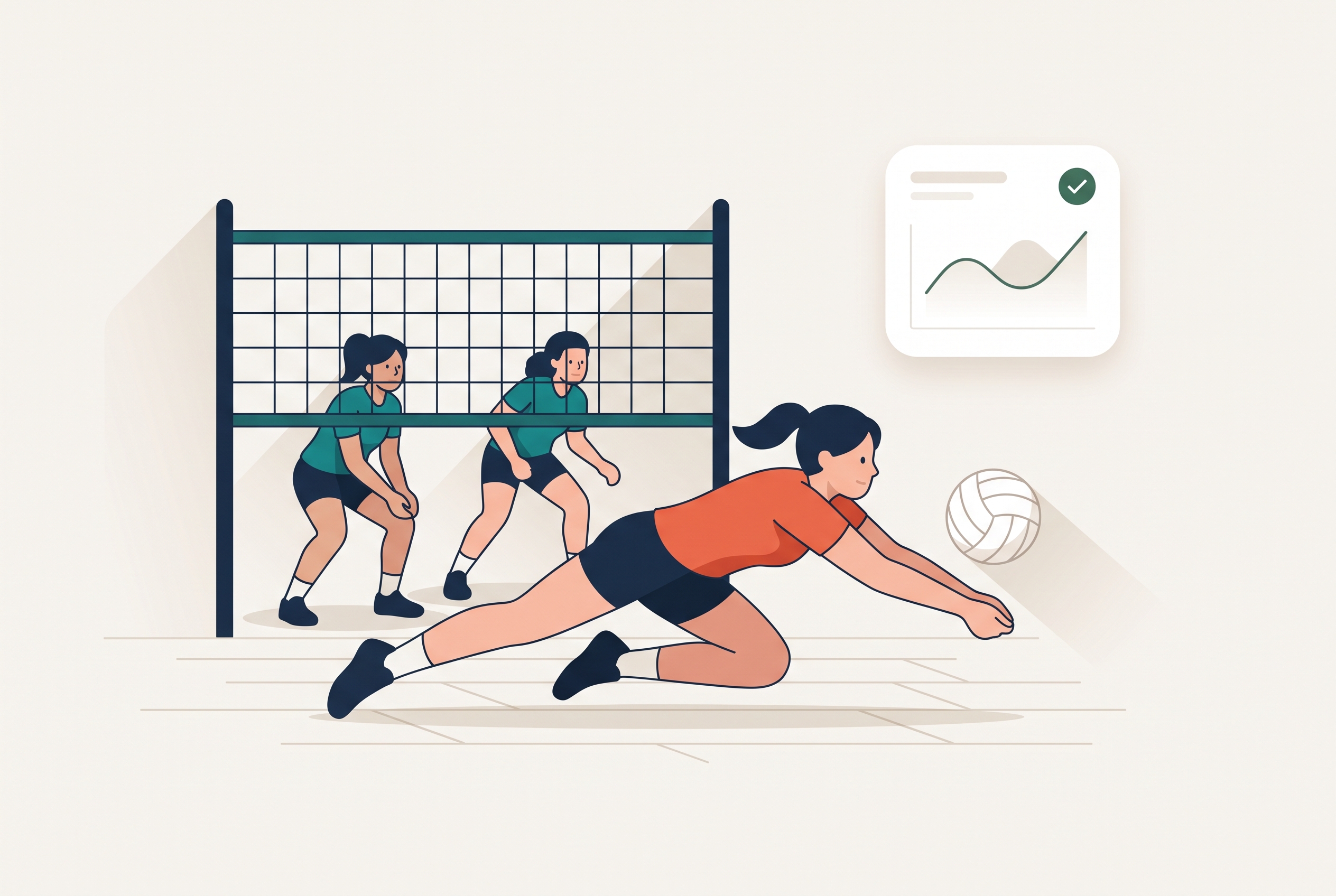
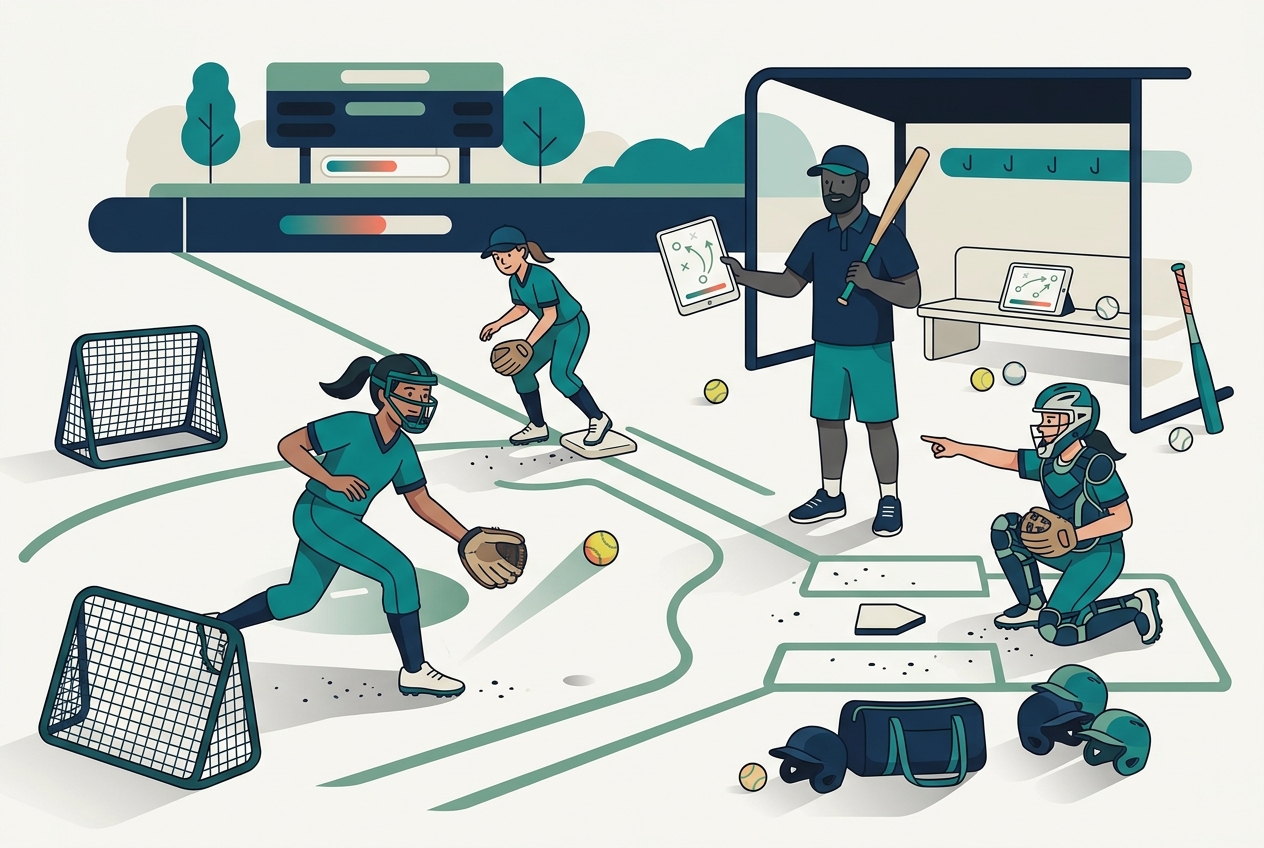
Twelve year old softball infielders covering bases on a bunt play while a coach with a fungo bat calls the situation

The 90-Minute 12U Practice Plan

The plan spends 28 minutes getting ready (tee work, warm-up, throwing), 57 minutes on three core blocks, and 5 minutes on a closing circle, and the core moves from individual hitting to the batteries to full-team defense.
Softball practice plan · 9-12 (10U-12U)

12U Softball Practice Plan (90 Minutes)

90 min · 7 segments

  1. 0:00

    10 min

    Arrival Tee Groove

    Early arrivers groove swings off tees into a net or fence, checking contact point before practice starts.

    Arrival
  2. 0:10

    8 min

    Dynamic Basepath Warmup

    Dynamic movement prep using the 60-foot basepaths: skips, shuffles, karaoke, and sprint build-ups.

    Warm-Up
  3. 0:18

    10 min

    Throwing Progression & Arm Care

    Structured partner throwing: wrist snaps to full throws to quick-catch, building arms for the 11"/12" ball.

    Warm-Up
  4. 0:28

    22 min

    Station Hitting Circuit

    Four-station circuit — front toss, tee work, bunting, and dry-swing drills — max swings, nobody standing in line.

    Core
  5. 0:50

    15 min

    Pitcher-Catcher Bullpen Block

    Structured windmill bullpens for 2-4 batteries running parallel to team stations — spins, locations, sequences.

    Core
  6. 1:05

    20 min

    Situations: 21 Outs

    Full defense takes fungoed balls with runners and live situations — outs, bunts, cuts, and communication.

    Core
  7. 1:25

    5 min

    Circle Talk & Takeaways

    Coach-led reflection circle: one takeaway each, shout-outs for effort, and the plan for the next practice or game.

    Cooldown

Equipment: tees (2-3), nets or sock screens, buckets of softballs, bats, helmets, bases or cones every 60 feet, gloves, one softball per pair (11" for 8U/10U, 12" for 12U+), L-screen, 2 tees, nets, 3 buckets of softballs, cones for bunt targets, weighted bat (optional), pitching rubbers or throw-down strips, home plates, catcher's gear (full set per catcher), softballs (bucket per lane), pitch chart or notebook, fungo bat, bucket of softballs, helmets for all runners, catcher's gear, bases

Change the length, swap modules for your age group, print a one-page coach sheet, and share it by link. No login.

Customize this plan free →Save to my account
Arrival Tee Groove (10 minutes). Open tees for early arrivals, with a purpose: five swings each at an inside, middle, and outside tee position.
Dynamic Basepath Warm-Up (8 minutes) and Throwing Progression (10 minutes). Skips, shuffles, karaoke, and build-up sprints on the basepaths, then partner throwing that ends with quick-catch. Finish with position throws: corners to first, middle infielders to second, outfielders to a cutoff.
Station Hitting Circuit (22 minutes). Front toss, tee work, bunting, and dry swings, about five minutes each. At 12U the bunting station teaches the sacrifice and the bunt for a hit. Coaching point: catch the ball with the bat, top of the zone down.
Pitcher-Catcher Bullpen Block (15 minutes). Two or three batteries with one coach: spins, then locations, then a short sequence to an imaginary hitter, finishing on a purpose pitch. Everyone else takes a second round of bunting and front toss with the other coach, so the bullpen costs the rest of the team nothing.
Situations: 21 Outs (20 minutes). The full defense, runners from the rest of the roster, and a coach with a fungo calling the situation before every ball. The defense needs 21 clean outs. Keep the number of balls it takes and try to beat it next week.
Circle Talk (5 minutes). One takeaway each, shout-outs for effort, and one focus for the next game.

What Changes at 12U

Three rule changes shape the practice. The ball grows from 11 inches to 12, which affects grip and throwing for smaller hands, so the throwing progression matters more than ever in the first month. The pitching distance moves from 35 feet to 40, which gives hitters a little more time and asks pitchers for more leg drive. And in most organizations the running game opens up: runners leave on the pitcher's release, steal any base, and advance on a dropped third strike.
That last change is why this plan gives 20 minutes to live situations. At 10U, a ball in play was usually one out or one base. At 12U, a bunt with a runner on first can turn into a runner on third if the defense throws the ball around. Teach the defense to get the sure out first, and practice it with runners moving.

Defense by Situation: What to Call in 21 Outs

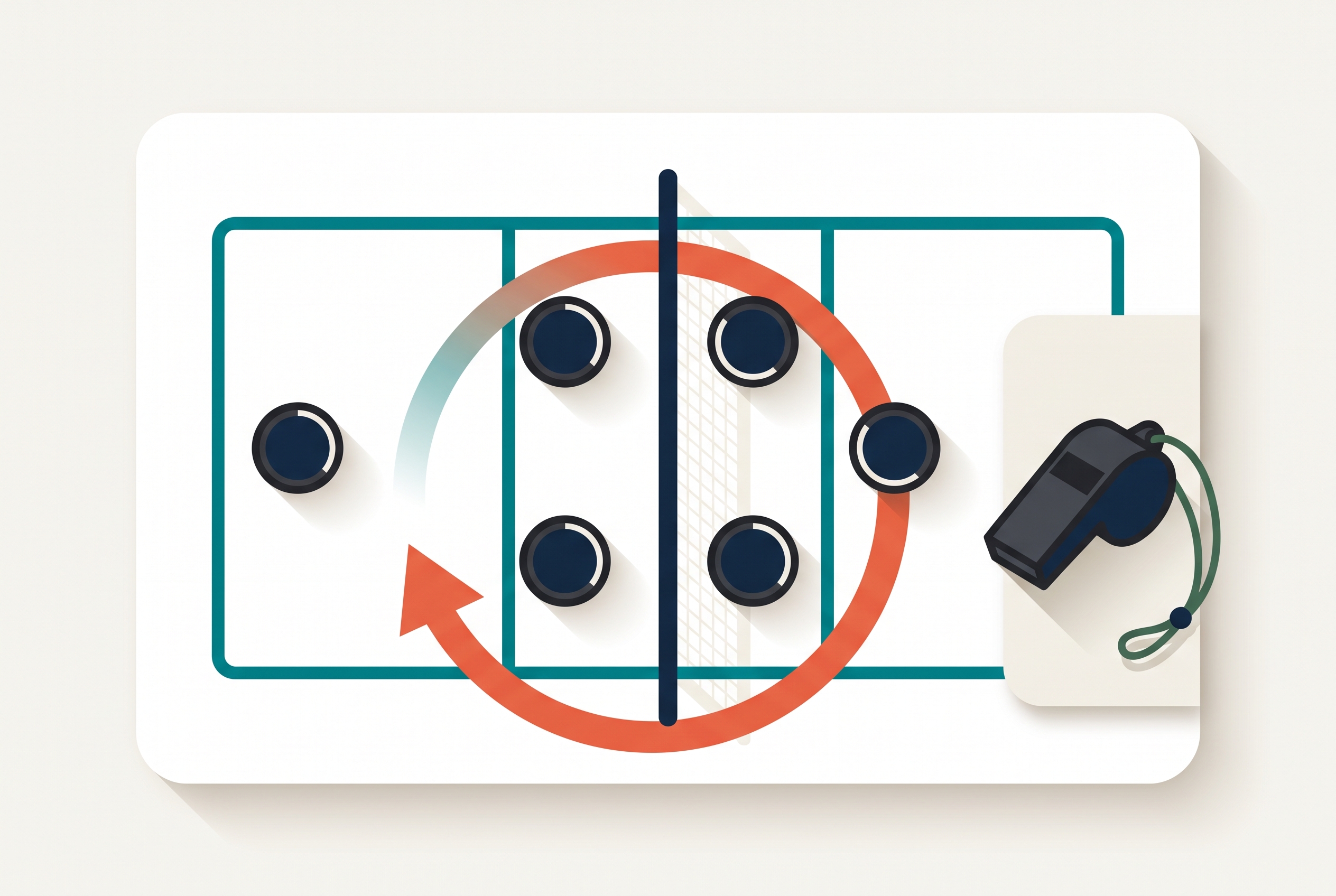
Rotate through five situations and the defense will see most of what a 12U game can show it. Nobody on, routine ground ball: field it and make a strong throw to first. Runner on first, ground ball: the force at second, with the shortstop and second baseman calling who covers. Runner on first, bunt: corners crash, second base covers first, shortstop covers second, the catcher calls the base, and whoever does not field the ball (usually the third baseman retreating, otherwise the pitcher) gets back to cover third. Runner on second, base hit to the outfield: hit the cutoff, and the cutoff listens for "cut" or "home." Runners on first and third: run the call your team uses, even if at 12U that call is simply to throw back to the pitcher and concede second base.
Before each fungo, every player says her job out loud. It feels silly for one week and then it becomes the habit that prevents most mental errors.

Building a Pitching Staff, Not a Pitcher

A 12U team needs at least three girls who can pitch in a game, and a tournament weekend can need four. Use the bullpen block to develop the third and fourth pitchers, not only to sharpen the ace. Give each pitcher a plan for the pen: fastball locations first, then the changeup, which is the most useful second pitch at this age because it wins on speed difference, not on movement.
Watch the workload across practices, lessons, and games. Softball has no universal pitch count rule like baseball's, which leaves workload to the coach. Windmill pitchers get overuse injuries too, most often in the shoulder. Shoulder, back, and legs tire, and mechanics break down when they do. End a bullpen when the release point starts to wander. Ask every pitcher how she feels at the closing circle, and plan the weekend so no girl has to pitch four games on Sunday. If it happened anyway, she rests.

Ready to take your game to the next level?

Rec Team and Travel Team Versions

For a rec team with newer players, trade 21 Outs for a simpler team block during the first half of the season: force outs at each base, then throws home, then one cutoff. Keep a scoring game in every practice; the fielding race from the 10U plan still works.
For a travel team, keep 21 Outs and add First-and-Third Battles once a week, because every travel opponent will test it. Travel teams also benefit from slapping and short-game work for left-handed hitters and fast runners, which the 14U plan covers in depth.

Tournament-Week Version

In a week with a weekend tournament, keep the 90-minute slot and change the contents. Cut the hitting circuit to front toss and bunting so hitters see game-speed pitches and sharpen the short game. Replace 21 Outs with a walk-through of bunt coverage, first-and-third, and cutoffs from each outfield spot at half speed, then a few live reps of each. Hold bullpens early in the week and keep them short, 25 to 30 pitches, so pitchers arrive fresh. Finish with baserunning on the release, since an extra base taken on a passed ball is the cheapest run in the sport.

Build Your Own 12U Practice Plan

Open this plan in the free softball practice planner with the "Customize this plan" button under the plan above. Choose 60, 90, or 120 minutes and the 9-12 age group, drag modules into the timeline, and print a one-page coach sheet or share the plan by link. No login is required. The softball practice plan template is the paper and Excel version.
Save the plan to a free Rizzler account and it lands in Practice Manager, attached to a practice on your schedule with RSVP counts, station assignments, and an equipment list. The softball practice plans hub has sessions for every age from 8U through high school.
Running a league or a club with many teams? We will set every coach up with shared practice plans, tryouts, and evaluations, and show you how much volunteer time it saves.

Talk to our team

Want to spend more time coaching and less time with paperwork? Let's talk.

Tell us about your team and we'll show you how to plan games, set lineups, run the schedule, and develop players in one place, so you spend the season coaching instead of chasing admin.

  • Less admin, more coaching

  • Plan games, set lineups, and track the season in one place

  • Keep every family in the loop automatically

Tell us about your program

4 fields · takes 30 seconds

Lands in the same inbox as the Help button · human response only

Frequently Asked Questions

How long should a 12U softball practice be?

Ninety minutes. It fits a full hitting circuit, a bullpen for the batteries, and a 20-minute team defense block, which is the combination 12U teams need.

What should a 12U softball practice include?

A throwing progression, a station hitting circuit with bunting, a bullpen block that runs beside the stations, a team defense block with live situations such as 21 Outs, and a short closing circle.

What is the pitching distance for 12U softball?

Forty feet with a 12-inch ball in the major fastpitch organizations. It moves to 43 feet at 14U and stays there through high school and college.

How many pitchers does a 12U softball team need?

At least three who can pitch in games, and four for tournament weekends. Use practice bullpens to develop the third and fourth pitchers as well as the first.

How do you practice first-and-third defense at 12U?

Start with a walk-through of one call, then run it live with runners. The simplest call is a throw back to the pitcher that concedes second base. Add a throw to a middle infielder cutting in front of second once the first call is automatic.