
Volleyball
Volleyball Drills You Can Do at Home (Wall, Ball, Ten Minutes)
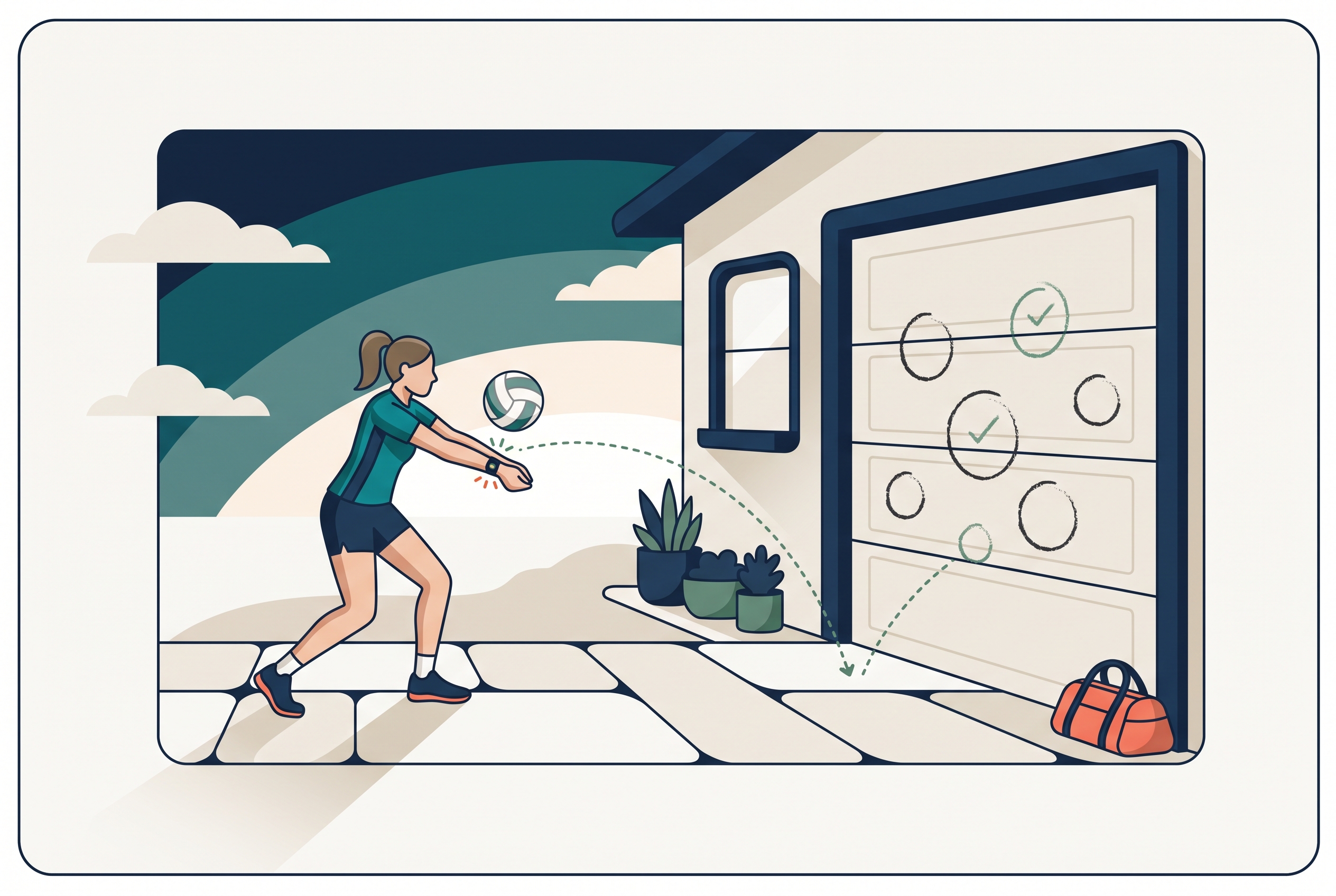
Almost every volleyball skill has a home version that needs nothing but a ball, a wall, and ten minutes: passing and setting are the most wall-trainable skills in team sports, serving mechanics train without a net, and footwork needs only floor. What separates players who improve between seasons from players who plateau is rarely access to a gym; it is whether the ten minutes actually happen. This page gives you the drills, the targets that make them countable, and the daily plans by skill, plus the honest list of what cannot be trained at home so nobody wastes reps pretending.

The Setup: One Wall, Three Targets
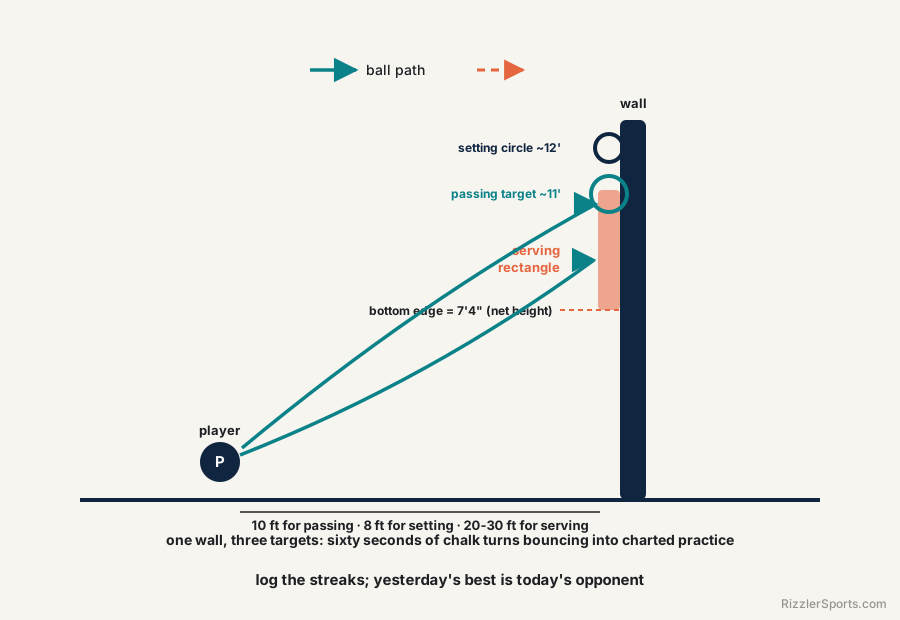
Find a wall that forgives: garage door, brick exterior, gym wall on open hours. Mark three targets with chalk or painter's tape: a passing target at about 11 feet high (net height plus margin), a setting circle at 12 feet, and a serving rectangle roughly 3 by 5 feet with its bottom edge at 7 feet 4 inches, regulation net height. Sixty seconds of setup turns aimless bouncing into charted practice, and the targets are what make every drill below scoreable.
Passing: The Wall Streak Ladder
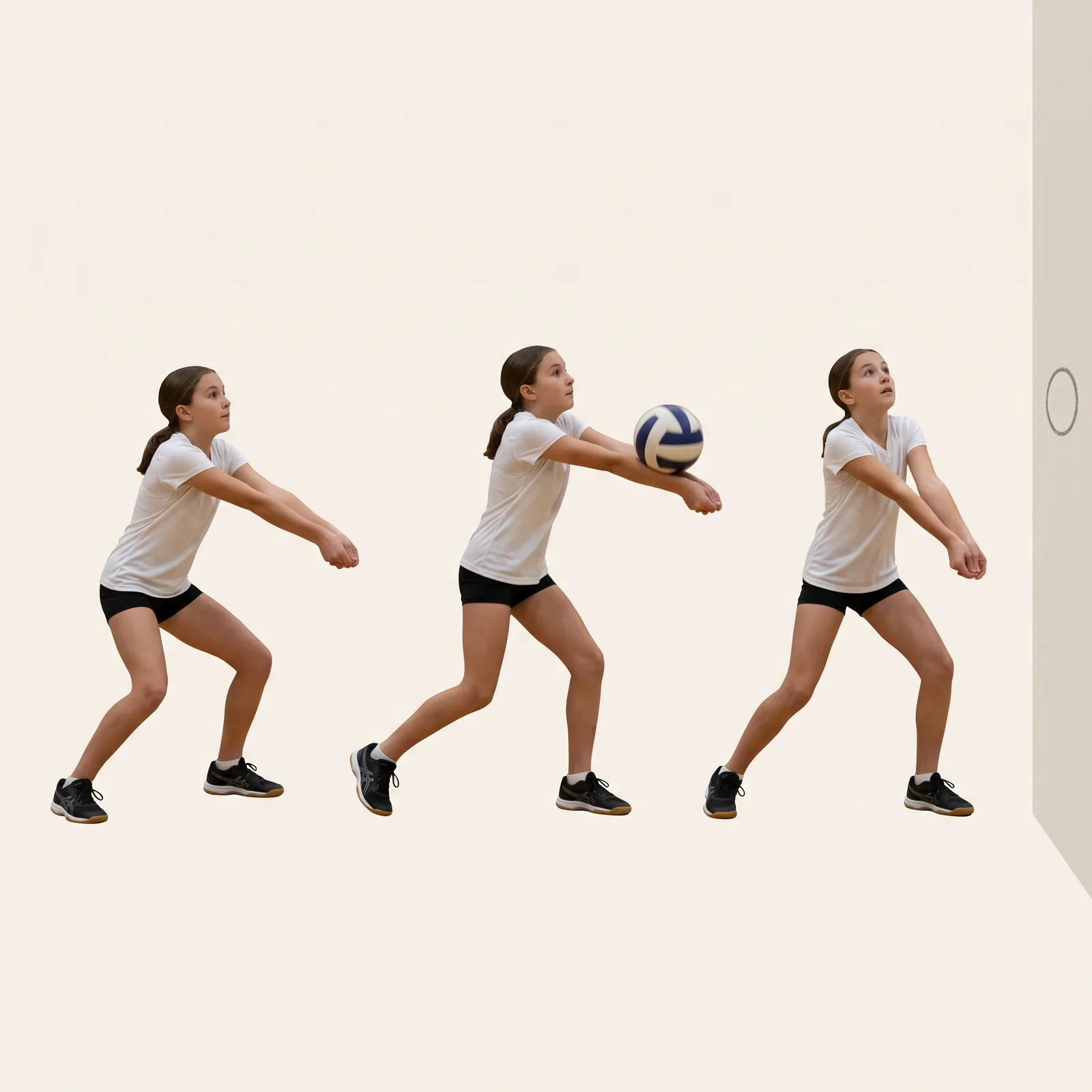
The bread-and-butter, straight from the passing drills progression. Stand ten feet from the wall, pass to your passing target, and count consecutive hits: rung one is ten in a row standing still; rung two is fifteen with a shuffle step between contacts; rung three is twenty alternating platform angles left and right of the target. Log your best streak per rung; the ladder resets to zero on a miss, which is what keeps it honest and slightly addictive.
The cues do not change at home: angle, don't swing; quiet arms; feet arrive before the ball. Ten focused minutes a day moves a passing average more than any single practice, which is why this is the most-assigned drill in coaches' home programs.
Setting: Hands Above the Forehead, Every Day
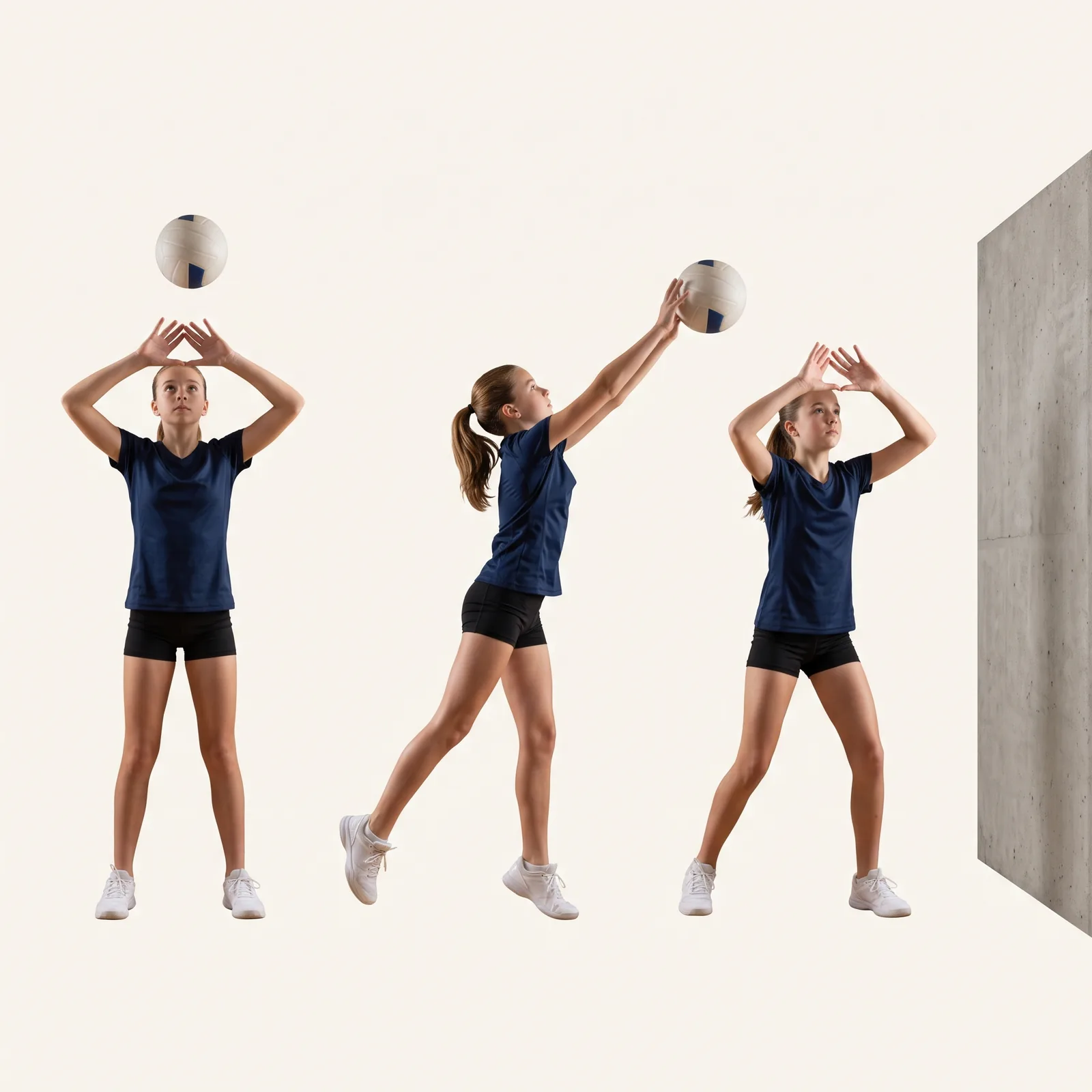
Wall setting from eight feet: fifty clean reps to the setting circle, hands finishing high, no spin on the ball. Then the couch drill, the oldest setter trainer there is: lie on your back and set straight up, one hundred contacts, letting gravity grade your hand shape (a crooked set lands on your face, which is feedback no coach can improve on). Then standing self-set ladders: set to yourself at one foot, three feet, six feet, repeat, controlling height on command.
Spin is the report card at home. A wobble-free ball means symmetrical hands and simultaneous contact; sidespin names the lazy hand for you. Setters who own these three drills arrive at practice needing only footwork and decisions, the parts that truly require a gym, per the setting drills guide.
Serving: Train the Toss and the Contact, Skip the Court
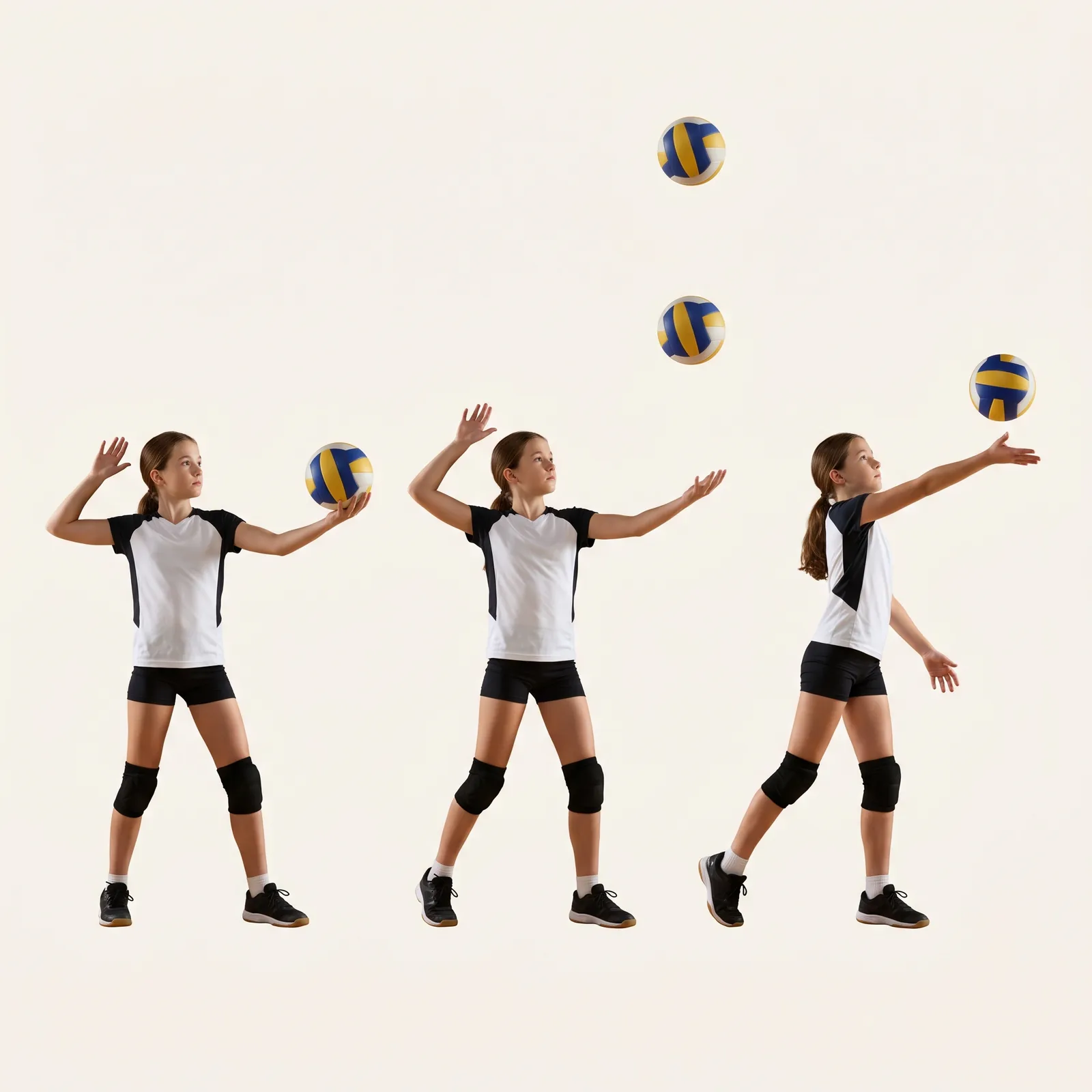
The serve is a closed skill, which makes it the most home-trainable weapon in volleyball, in two parts. Toss reps without hitting: fifty tosses, each rising just above your hitting shoulder and landing on a shoe placed a half-step inside your front foot; an inconsistent toss is behind most youth serving slumps, and this drill costs nothing. Then wall serving: from 20 to 30 feet, serve into the marked rectangle, ten-serve sets, counting rectangle hits. The wall gives instant height feedback (below the tape line is in the net) without chasing balls across a yard.
Keep the full pre-serve routine on every rep (breath, bounce, toss, hit, identical each time). The routine is the transferable part; grooving it at home is why the serving drills at practice start ahead.
Footwork and Athleticism: The No-Ball Block
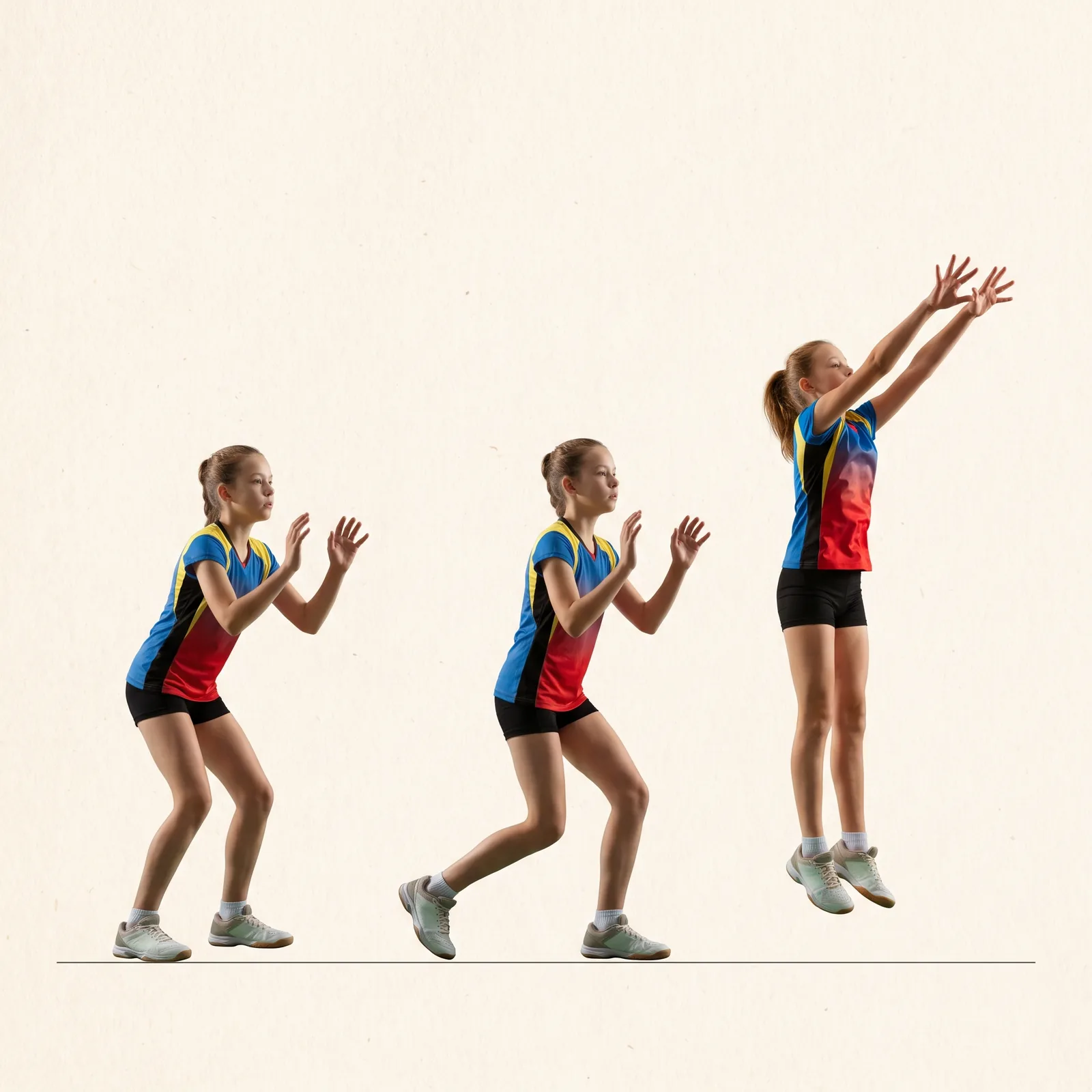
Four patterns, no equipment: approach footwork lines (the left-right-left-close rhythm across the driveway, ten reps), blocking shuffles and crossovers along a wall with a press-up jump at each end, base-position holds with adjust steps, and the jump-and-stick landings from the conditioning progression. Two of the four per day keeps movement patterns sharp through an offseason, and none of them can be done wrong loudly, quiet landings being the audit.
The 10-Minute Daily Plans
Pick the plan for the skill you are building; each fits between homework and dinner.
| Plan | Minutes 1-3 | Minutes 4-6 | Minutes 7-10 |
|---|---|---|---|
| Passer / libero | Wall streak rung 1-2 | Rung 3 angles | Base-and-adjust holds |
| Setter | Wall setting x50 | Couch drill x100 | Self-set ladders |
| Hitter | Approach lines | Toss reps x25 | Wall serving sets |
| All-around | Wall streaks | Wall setting | Jump-and-stick + shuffles |
Consistency beats duration: ten minutes daily outperforms an hour on Sunday, because motor patterns consolidate on frequency. Streak numbers, logged, are the motivation engine; yesterday's 17 is today's opponent.
What Home Practice Cannot Do (and How Coaches Close the Loop)
Honesty saves wasted reps: reading a live server, timing an attack against a real set, blocking against an actual hitter, and every team-shape skill need a net and other players. Home work builds the platform, hands, toss, and feet so that gym time gets spent on exactly the things that need a gym.
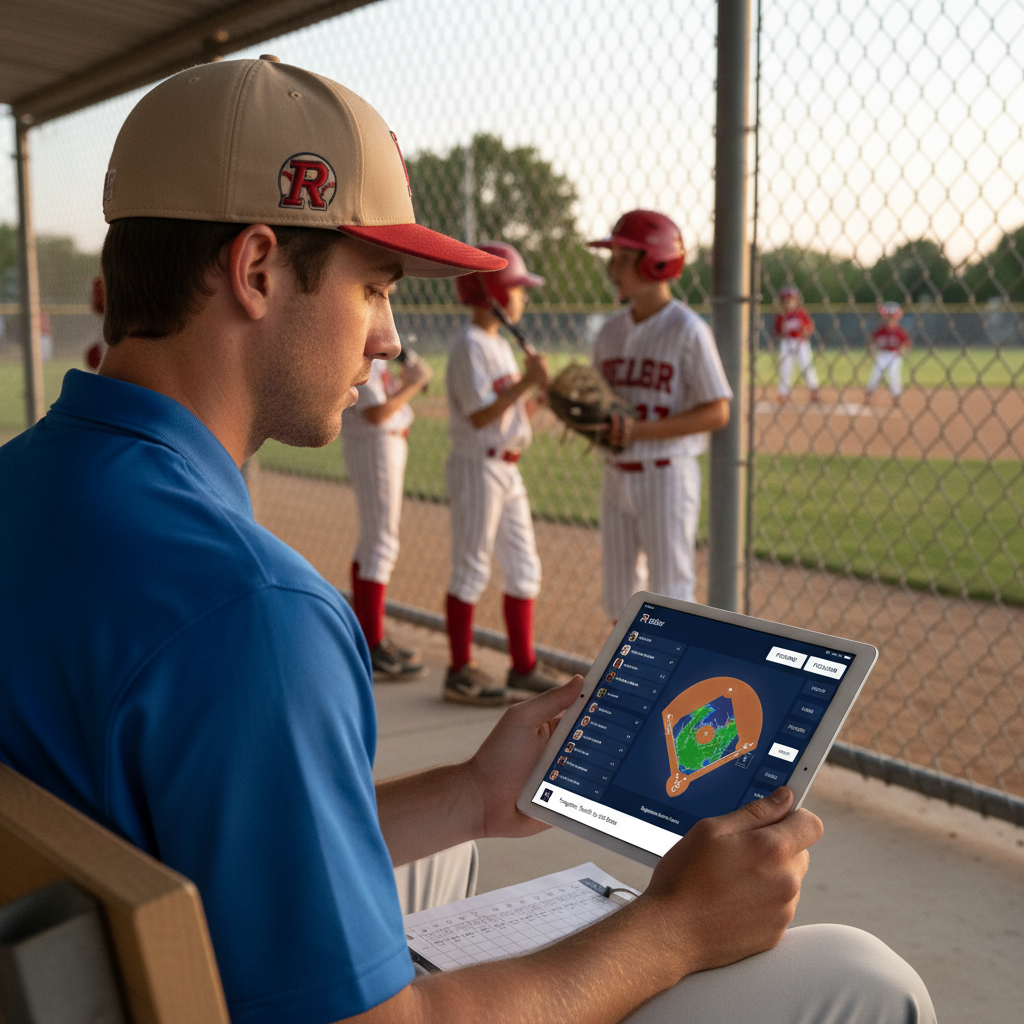
The loop closes when the home work is visible. Coaches on Rizzler assign drills like these through Rizzler Reps, players log reps and streaks in the app, and the coach sees who did the work before the next practice, which turns "practice at home" from a hope into a habit with a leaderboard. Season over season, the player development picture (skill assessments at intervals, drills assigned against the weak categories) is how ten quiet minutes a day shows up as a different player at spring tryouts.
Frequently Asked Questions
What volleyball drills can I do at home by myself?
Wall passing streaks, wall setting and the couch drill, serving toss reps and wall serving into a marked target, approach footwork lines, and blocking shuffles with press-up jumps. Everything except live reads and team play has a wall version.
How can I practice volleyball at home without a net?
Mark a wall: a serving rectangle starting at 7 feet 4 inches (net height) gives serving feedback, and high chalk targets stand in for trajectory on passes and sets. The wall returns every ball, which means more contacts per minute than most gym drills deliver.
How many minutes a day should I practice at home?
Ten focused minutes daily beats a long weekend session, because skills consolidate with frequency. Pick one plan (passer, setter, hitter, or all-around), log your streaks, and let the numbers climb; most players see wall-streak bests double inside three weeks.
Can you get better at volleyball without going to a gym?
At the individual-skill layer, substantially: platform control, hand shape, serving toss, and approach footwork are all wall-and-driveway trainable. Game skills like reading servers and timing attacks still require live play, so home work is the multiplier on practice, not the replacement.
How do coaches know if players actually do home drills?
By assigning them somewhere the reps get logged. Coaches on Rizzler assign home drills through Rizzler Reps; players record their work in the app, streaks and leaderboards keep it fun, and the coach sees participation before planning the next practice.
Talk to our team
Want to spend more time coaching and less time with paperwork? Let's talk.
Tell us about your team and we'll show you how to plan games, set lineups, run the schedule, and develop players in one place, so you spend the season coaching instead of chasing admin.
Less admin, more coaching
Plan games, set lineups, and track the season in one place
Keep every family in the loop automatically
Tell us about your program
4 fields · takes 30 seconds
Lands in the same inbox as the Help button · human response only
Read Next
How to Track Attendance for a Youth Sports Team
LearnBatting Stats: Every Offensive Stat Explained for Coaches
StatsPractice Manager: Build a Timed Practice Plan in Minutes
FeaturesRoster Management: Organize Your Baseball Team
FeaturesHow Do I Download the Rizzler iOS App?
FAQRizzler vs TeamSnap: The Team App That Also Coaches
Comparison