
Features
Player Development That Keeps Kids in the Game
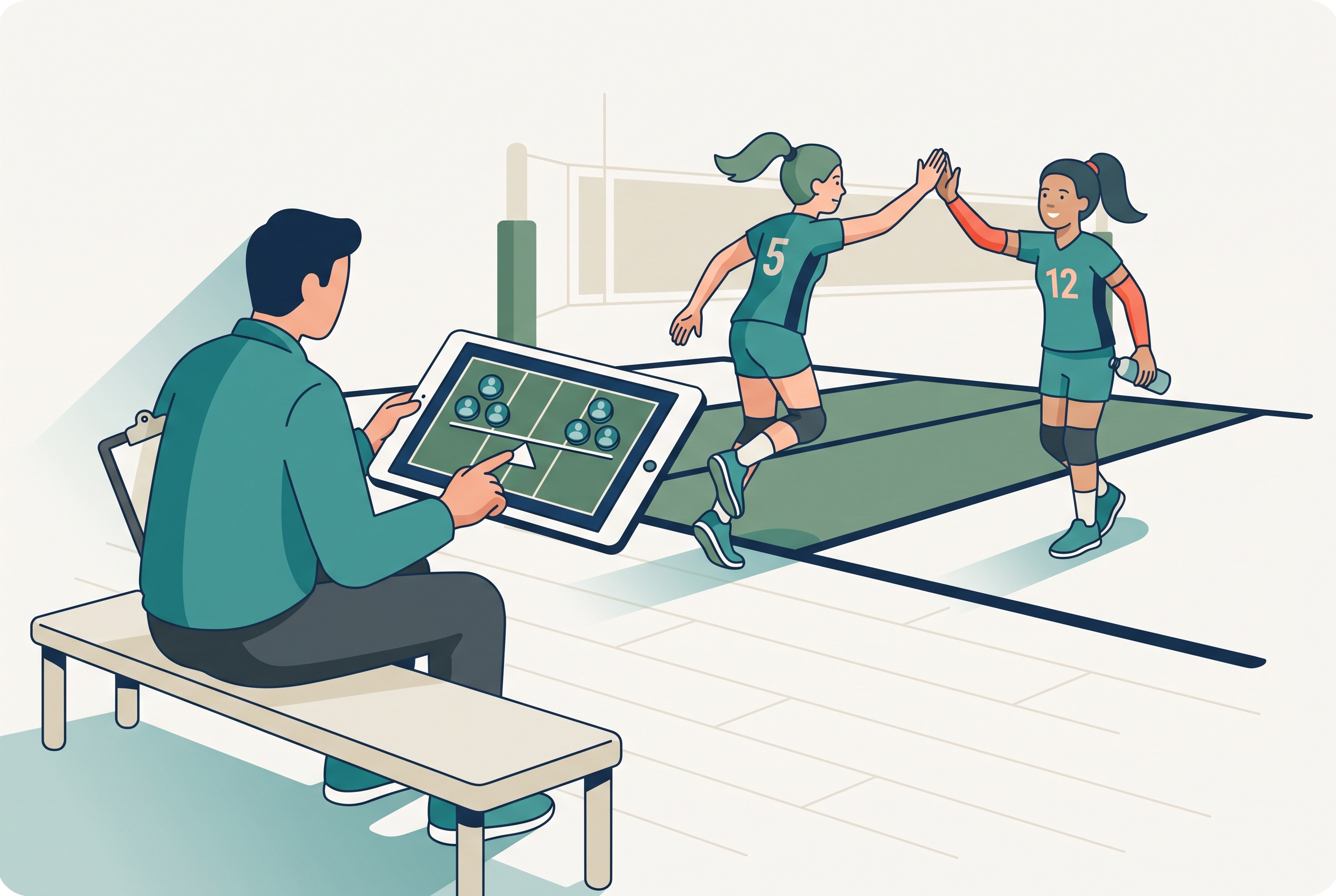
Player development is the work that happens after the roster is set: goals at the start of the year, honest skill assessments as the season goes, a progress report a parent can actually open, and practice that continues at home. Rizzler is built to run that whole loop, because managing a great team and developing your players are the same job.
That's not a soft sell. Kids quit youth sports early, around age eleven on average, and the reason they give most often is simple: it stopped being fun. When researchers mapped what actually makes sports fun for kids, "trying hard" and "learning and improving" sat near the top, and trophies sat near the bottom. Feeling like you're getting better is a big part of why a kid keeps showing up. So a coach who takes development seriously isn't adding a nice-to-have. They're doing the one thing most tied to players staying in the game.
Start the season with goals, not guesses
Development works better when the player is in on it. In Rizzler you can open the year with goal-setting surveys, so every player writes down what they want to get better at, from "make more consistent contact" to "throw more strikes." Those goals become the reference point for the rest of the season: what you assess, what you assign, and what shows up in the report their family reads at the end. A kid who set the goal is a kid who owns it.
Assess as you go, with one consistent standard
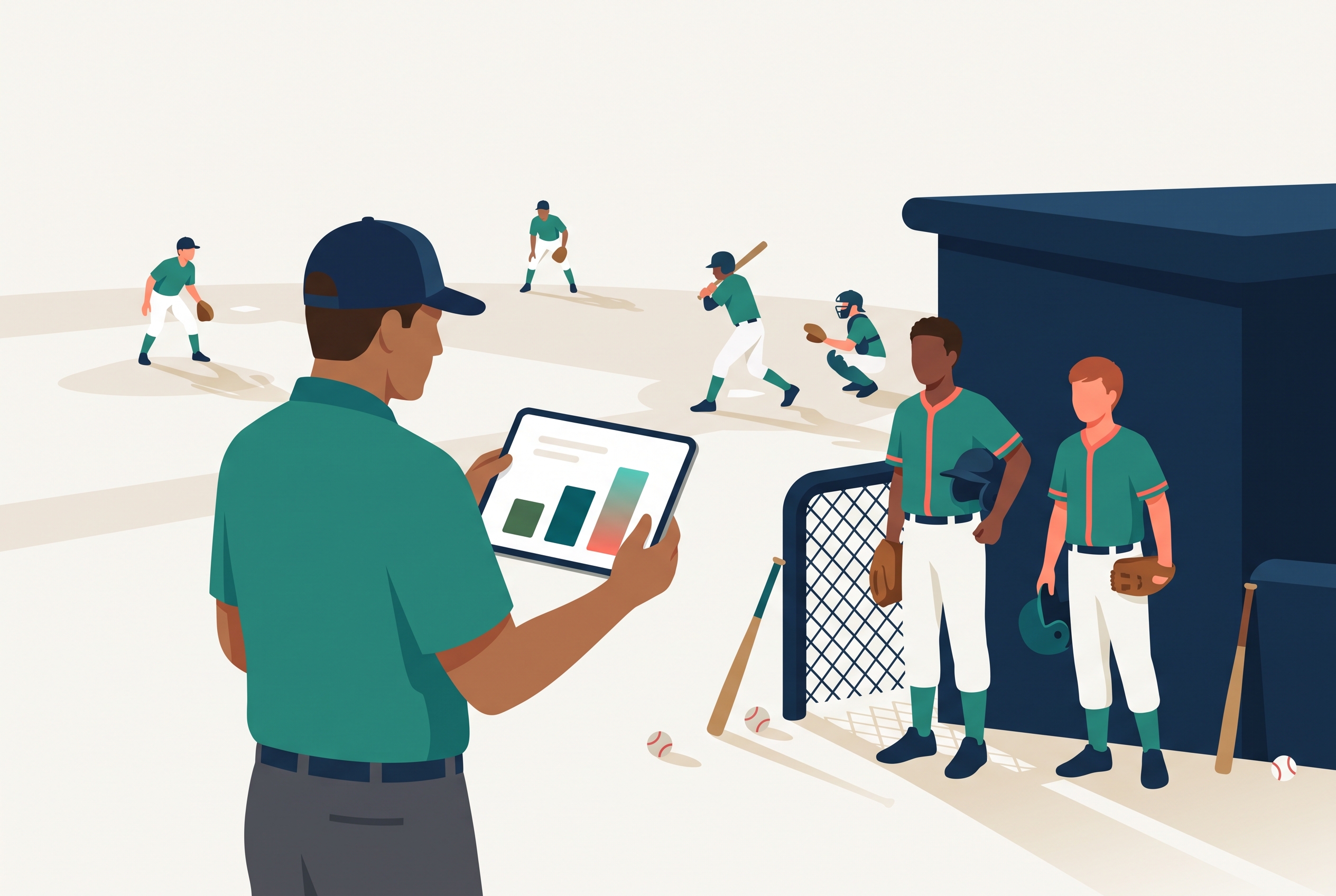
A single point-in-time judgment tells you almost nothing about development. A baseline, a mid-season check, and an end-of-season look tell you everything. With player skills assessments, your whole staff scores the same rubric, so an evaluation means the same thing whether you filled it out or your assistant did. Track those scores across the season and Rizzler surfaces who's tracking up and who's stalled.
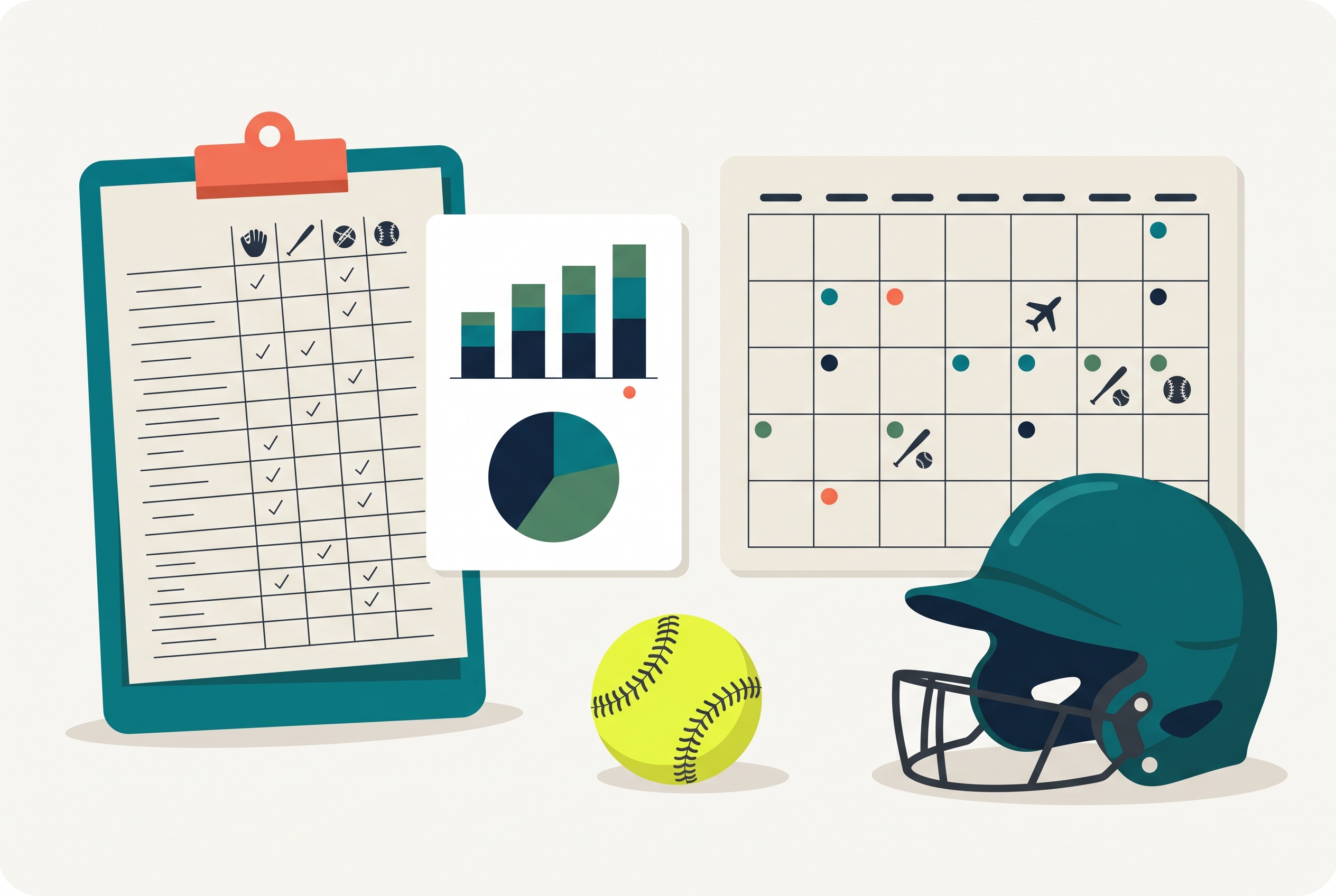
The mid-season evaluation is worth scheduling as its own event on the calendar, the same as a game or a practice. It turns "we should check in on the kids at some point" into a date the staff actually keeps. A late-blooming infielder who graded a two in the spring might be a four by June, and now you can move him up the depth chart on evidence instead of a hunch. The depth chart is free on every plan; the season-long assessments and tracking are part of Coach and Club.

Open the black box of practice for parents
Here's the quiet problem every coach knows. Parents drive to practice, sit in the car, and never really see what happens or whether their kid is getting better. That invisibility is where the parking-lot questions and the mistrust come from. Research on youth sports keeps landing on the same point: open, ongoing communication about a child's progress is what builds trust between coaches and families.
Rizzler's answer is a skill report you can share with each family. The dad who watched every practice but never knew if the season did anything can finally see it: pitch command graded a two in March, a four by the mid-season check, holding at a four at the end. You're not defending yourself in the parking lot anymore. You're showing the work. Skill reports are on Coach and Club, and this is the story parents remember.

Let players own their development between practices
Skills are built on repetition, and repetition is not naturally fun, which is exactly why it needs a little structure around it. Rizzler Reps is the player-facing app: coaches assign drills with daily targets, and athletes log their reps with streaks, a team leaderboard, and a thirty-day heatmap that fills in as they go. A twelve-year-old keeps a fourteen-day streak alive and does his tee work without anyone nagging him. That's deliberate practice with a motivation engine bolted on, not a gimmick.
Reps is bundled free for the athletes of any coach on Coach or Club, and there's a standalone athlete plan available. Baseball and softball drill libraries are live, with more sports on the way.
Player development is not a tryout
It's worth being precise, because these get blurred. A tryout is a point-in-time evaluation to make a selection decision, who makes the team, who gets drafted. Player development is the ongoing loop that runs all season after that decision is made. Tryouts build the roster; development grows the players on it. Rizzler does both, and connects them, but they are different jobs with different tools.
Does it work for my sport, and what does it cost?
The development loop, goals, skill assessments, season-long tracking, and parent reports, works across sports; the deep in-game tools like hit charting are built for baseball and softball. On plans: the player depth chart is free on every plan, while skills assessments, season tracking, skill reports, and goal-setting surveys are part of Coach and Club. Rizzler Reps comes bundled with Coach and Club, or stands alone for an individual athlete. One note on the long view: because season-over-season progress depends on kept data, the longer retention on Coach and Club (18 months and 5 years) matters if you want to show a player's multi-year arc.
Frequently Asked Questions
How do I track a player's development over a season without it eating all my time?
Set goals once at the start, score a quick skill rubric at a few checkpoints, and let Rizzler do the tracking and the parent report for you. The work is a handful of short evaluations across the year, not a running spreadsheet you maintain by hand.
How do I keep evaluations consistent across my assistant coaches?
Everyone scores the same skills assessment rubric, so a grade means the same thing no matter who entered it. That consistency is the whole point of a shared standard, and it's what makes tracking progress across the season trustworthy.
How do I share a player's progress with parents?
Rizzler generates a skill report you can share with each family, showing where the player started and how they've grown. It replaces the vague parking-lot conversation with something a parent can actually see and keep.
Is player development different from tryouts?
Yes. Tryouts are a one-time evaluation to pick a team. Player development is the season-long loop of goals, assessments, reports, and reps that happens after selection. Keep them separate in your head, even though Rizzler connects them.
How do I get players to practice on their own?
Assign drills in Rizzler Reps and let the streaks, leaderboard, and heatmap do the motivating. Kids keep going to protect a streak and climb the board, which turns solo repetition into a habit.
Are development features free?
The player depth chart is free on every plan. Skills assessments, season-long tracking, skill reports, and goal-setting surveys are on Coach and Club. Rizzler Reps is bundled with Coach and Club, or available standalone for an athlete.
Want to build a season that actually develops your players?
Running a club or program and want the whole staff evaluating to one standard? Our team can help.
Talk to our team
Want to see how to develop players all season long? Let's talk.
Tell us about your team and we'll show you how season-long skill tracking becomes the progress report a parent opens, while players keep building between practices with Rizzler Reps.
Track skills all season, not just on tryout day
Turn evaluations into reports parents actually open
Players build habits between practices with Rizzler Reps
Tell us about your program
4 fields · takes 30 seconds
Lands in the same inbox as the Help button · human response only
Read Next
How to Run an Ice Hockey Tryout: A Coach's Step-by-Step Guide
LearnVolleyball Practice Plans: Ready-to-Run Sessions by Focus
VolleyballHow to Start a Travel Softball Team
LearnHow to Balance Playing Time in Youth Baseball
LearnEqual Playing Time in Volleyball: How Coaches Actually Do It
VolleyballRizzler for Baseball & Softball Coaches
For Coaches