
Stats
What Stats to Track at 13U-14U
The defining change at 13U-14U is the field itself. Most players move up to the full 60'6"/90-foot diamond (some leagues bridge the gap with 54/80), and everything follows from that: longer throws, faster pitching from farther away, and a version of the game that finally resembles what these kids will play in high school. The numbers follow suit. Sample sizes grow, defense stabilizes, and stats become reliable enough to drive lineup construction, development plans, and in-game strategy instead of just filling a scorebook.
That doesn't mean tracking everything. Here's how to prioritize.
Primary Stats to Track
OPS (On-Base Plus Slugging)
OPS is the best single offensive number. At 13U+, power starts to matter alongside plate discipline: a player who reaches base and also hits for extra bases is your most valuable hitter. Use OPS for lineup construction and the AI Batting Order.
13U-14U travel target: .700+ is solid. .850+ is a standout.
Quality At-Bat Percentage
QAB remains the best development stat through 14U. The criteria stay the same, but the competition level makes every quality at-bat harder to earn. Players at this age should be held to a higher QAB standard.
13U-14U target: 50%+ is solid. 60%+ is strong.
ERA (Earned Run Average)
ERA is now meaningful. Defense is more reliable at 13U+, the earned/unearned distinction is more consistently applied, and pitchers throw enough innings for the sample to stabilize. Track ERA alongside strike percentage for a complete pitching picture.
Strike Percentage
Still critical. Strike percentage at 13U separates pitchers who can compete from those who walk the ballpark.
13U-14U target: 58%+ is solid. 65%+ is strong.
Pitch Count
Non-negotiable at every age. The daily limit for 13-14 year olds in Little League is 95 pitches. Track every pitch, enforce rest days. Pitch count rules →
Secondary Stats
| Stat | Why It Matters at 13U-14U |
|---|---|
| OBP | On-base percentage is still more valuable than batting average, and it's worth tracking separately from OPS so you can see whether a hitter's production comes from discipline or from power. |
| Strikeout rate | A high strikeout rate at 13U+ usually points to pitch recognition problems, and those respond well to focused cage work once you know which hitters need it. |
| Slugging | Slugging finally means something at this age because genuine power is developing. Extra-base hits start to reflect strength and swing mechanics rather than outfield misplays. |
| Fielding percentage | Fielding percentage becomes more reliable at 13U+ as defense improves and scorekeeping gets more consistent, so position-by-position comparisons start to carry weight. |
| Exit velocity | Exit velocity is a standard travel ball evaluation metric, and if you have access to the equipment, it's a useful way to track a hitter's physical development across a season. |
Avoid Over-Tracking
At 13U-14U, it's tempting to track everything. Resist the urge to drown in data. Focus on 5-7 stats that drive decisions. Use player evaluations for subjective assessment (mechanics, attitude, coachability) alongside the numbers.
The goal is informed coaching, not data obsession. Using stats without overcoaching →
Frequently Asked Questions
Should I use stats for lineup decisions at 13U?
Yes. At 13U+ travel, data-informed lineups outperform gut-feel lineups. Use OPS and OBP to place hitters, and let the AI Batting Order generate lineups from the data.
What's the transition from 12U to 13U stats?
Add OPS, ERA, and exit velocity to your tracking. Raise the bar on QAB and strike percentage expectations.
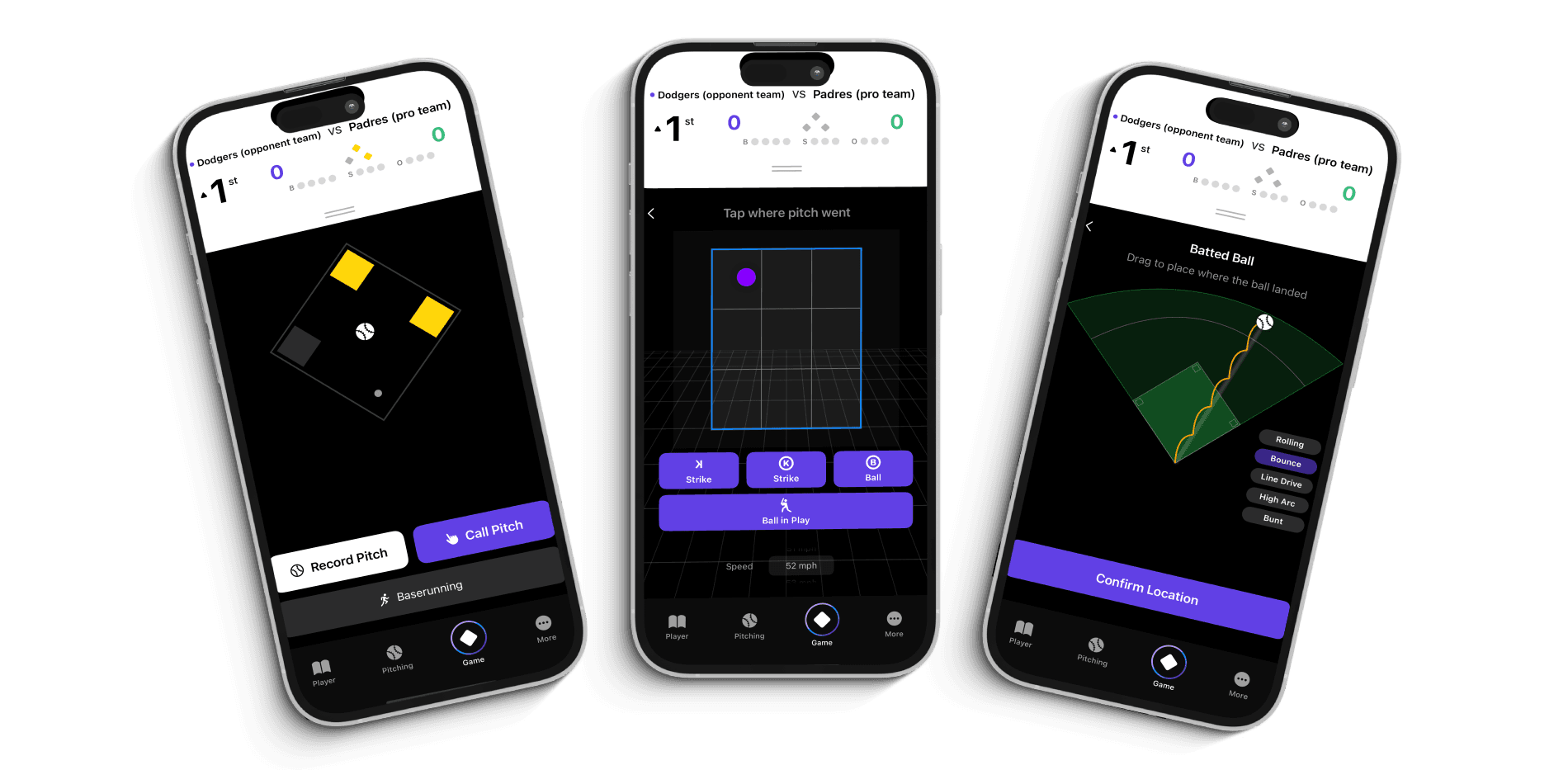
Rizzler records everything on this page when you score games, and on Coach and Club plans, AI Stats Analysis surfaces trends (like a climbing strikeout rate) before they show up in results. The free plan covers one team if you want to start simple.
Coaching a travel organization with multiple 13U-14U teams? We can help you set up consistent stat tracking across all of them.
Talk to our team
Want to spend more time coaching and less time with paperwork? Let's talk.
Tell us about your team and we'll show you how to plan games, set lineups, run the schedule, and develop players in one place, so you spend the season coaching instead of chasing admin.
Less admin, more coaching
Plan games, set lineups, and track the season in one place
Keep every family in the loop automatically
Tell us about your program
4 fields · takes 30 seconds
Lands in the same inbox as the Help button · human response only
Read Next
How to Coach T-Ball: A First-Year Coach's Guide
LearnIn-Game Intel & Matchups: Competitive Advantage from the Dugout
FeaturesVolleyball Positions: All 6 Roles, Explained With Diagrams
VolleyballTeamSnap Alternatives: 7 Options Compared for 2026
ComparisonImport Stats from GameChanger into Rizzler
FeaturesPractice Schedule Template: Session Plan and Weekly Grid
Resources