
Stats
Fielding Percentage
Fielding Percentage measures how often a player successfully completes a defensive play. Formula: (Putouts + Assists) ÷ (Putouts + Assists + Errors). A .950 fielding percentage means the player successfully makes the play 95% of the time. It's the most common defensive stat in baseball, but at the youth level, it tells you less than you'd think, because errors are frequent, scoring is inconsistent, and the stat doesn't account for range.
The Formula
Fielding Percentage = (PO + A) ÷ (PO + A + E)
Where:
- PO = Putouts (the fielder recorded the out)
- A = Assists (the fielder threw to another fielder who recorded the out)
- E = Errors (the fielder made a mistake that allowed a runner to reach or advance)
Example: A shortstop with 25 putouts, 40 assists, and 7 errors:
Fielding % = (25 + 40) ÷ (25 + 40 + 7) = 65 ÷ 72 = .903
Fielding Percentage by Position (12U)
Position matters enormously. An outfielder faces routine fly balls. A shortstop faces hard-hit grounders, bang-bang throws, and relay plays. Same team, very different fielding percentages.
Nobody publishes official fielding percentage data for youth baseball, so treat the table below as typical ranges coaches report at the 12U competitive level, not as verified benchmarks.
| Position | Typical Range Coaches Report (12U Competitive) |
|---|---|
| Pitcher | .900-.950 |
| Catcher | .880-.930 |
| First Base | .940-.970 |
| Second Base | .900-.940 |
| Shortstop | .880-.930 |
| Third Base | .880-.930 |
| Outfield | .920-.960 |
Shortstops and catchers will always have lower fielding percentages than first basemen and outfielders. They handle more difficult plays.
What Fielding Percentage Misses
Range. A player who gets to 50 ground balls and makes errors on 5 has a .900 fielding percentage. A player who only gets to 30 ground balls (because they can't move laterally) and errors on 1 has a .967. The second player looks better statistically but is objectively worse defensively. They just never got to the hard plays.
Arm strength. Fielding percentage doesn't measure how hard or accurately a player throws. A third baseman with a weak arm might field the ball cleanly but throw it in the dirt at first. Depending on the scorer, that might be an error on the third baseman or first baseman.
Positioning and instincts. The best youth fielders read the bat, anticipate the ball, and position themselves correctly before the pitch. None of that shows up in fielding percentage.
When Fielding Percentage Is Useful
Despite its limitations, fielding percentage has value when used correctly:
Tracking error trends. If a player's fielding percentage drops over a stretch of games, something changed: fatigue, focus, mechanics. It's worth investigating.
Comparing the same player over time. A shortstop whose fielding percentage improves from .850 to .920 across a season is making real defensive progress.
Identifying position fit. A player with a .970 fielding percentage at first base and .800 at shortstop probably should stay at first base for game situations, while developing at shortstop during practices.
Frequently Asked Questions
What's a good fielding percentage for a 10U player?
Lower than you'd expect. A .850 fielding percentage for a 10U infielder is normal. Youth baseball involves a lot of errors: the balls are hit harder relative to fielding ability, and throwing accuracy is still developing. Age benchmarks →
Does Rizzler track fielding percentage?
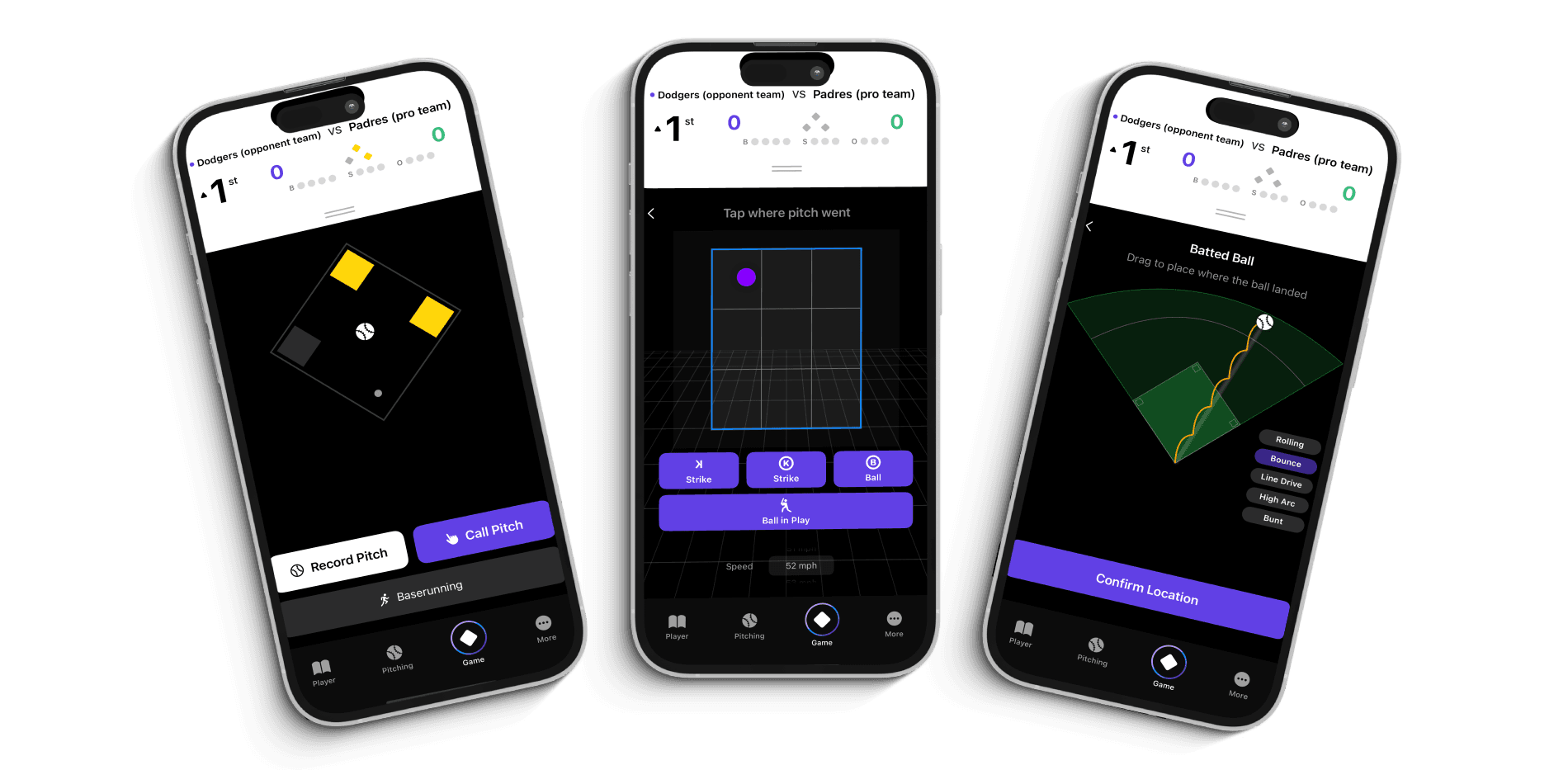
Yes. When you score games in Rizzler, putouts, assists, and errors are recorded. Fielding percentage calculates automatically per player and per position.
Should I bench a player with a low fielding percentage?
No. Especially not at the youth level, where errors are part of learning. Use AI Fielding Positions to put players where they can succeed while also giving development opportunities at challenging positions during lower-stakes innings.
When you score games in Rizzler, putouts, assists, and errors are recorded and fielding percentage calculates automatically per player and per position. Basic stats and scoring are included on every plan, and the free plan covers one team.
Need consistent defensive stat tracking across a whole club or league? We can help you set that up.
Talk to our team
Want to spend more time coaching and less time with paperwork? Let's talk.
Tell us about your team and we'll show you how to plan games, set lineups, run the schedule, and develop players in one place, so you spend the season coaching instead of chasing admin.
Less admin, more coaching
Plan games, set lineups, and track the season in one place
Keep every family in the loop automatically
Tell us about your program
4 fields · takes 30 seconds
Lands in the same inbox as the Help button · human response only
Read Next
Volleyball Blocking Drills: 7 Drills for Timing and Footwork
VolleyballBest Apps for Travel Baseball Coaches in 2026
LearnAI Fielding Positions: Automated Defensive Rotations
FeaturesSlugging Percentage (SLG): Definition, Formula & Youth Benchmarks
StatsVolleyball Drills at Home: Solo Work That Actually Transfers
VolleyballVolleyball Drills for Beginners: 8 Drills That Actually Work
Volleyball