
Stats
Fielding Stats: Definitions, Formulas & What They Mean
Fielding stats measure defensive performance: how reliably a player makes plays in the field. At the youth level, fielding stats are the least tracked and least understood category, partly because defense is harder to quantify than hitting or pitching, and partly because errors dominate youth baseball. A 10U shortstop with a .700 fielding percentage isn't bad. That's just what a 10U shortstop looks like.
Quick Reference
| Stat | Formula | What It Measures | Detail Page |
|---|---|---|---|
| Fielding Percentage | (Putouts + Assists) ÷ (Putouts + Assists + Errors) | Rate of successful defensive plays | → |
| Errors (E) | Scored by official scorer | Mistakes that allow runners to advance | → |
The Truth About Fielding Stats in Youth Baseball
Fielding stats at the youth level are more about context than precision. Here's what to keep in mind:
Errors are part of development. A kid who makes 10 errors at shortstop over a season might be your best infielder, because they're the one getting to balls that other kids can't reach. More chances mean more errors. Fewer chances might mean less range, not fewer mistakes.
Fielding percentage varies wildly by position and age. A .950 fielding percentage is excellent at 14U shortstop. At 10U catcher, .850 might be fine. Age-specific benchmarks →
The eye test still matters. Fielding stats miss things like range, positioning, arm strength, and game awareness. A player who makes every routine play but can't move laterally will have a high fielding percentage and still be limited defensively.
How Rizzler Handles Fielding
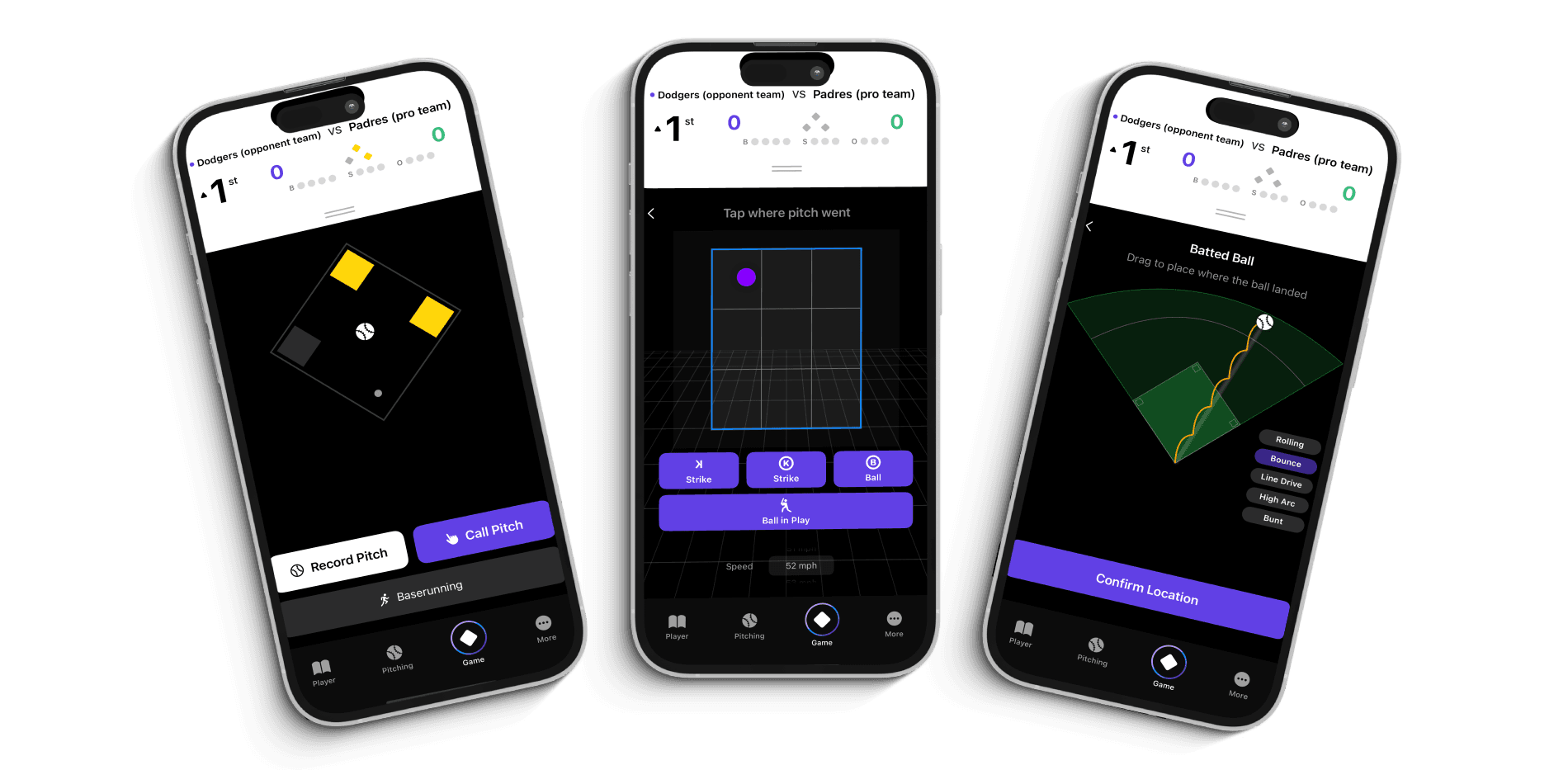
Rizzler's AI Fielding Positions uses position capability ratings (which you set) more than fielding stats to assign defensive rotations. You tell Rizzler where each player can play and how well, and the AI builds rotations based on capability, playing time balance, and league rules.
Fielding stats from scored games are tracked and visible in each player's profile, useful for conversations with players about improvement and for player evaluations.
Frequently Asked Questions
Should I track fielding stats for my 10U team?
Track errors informally so you can see patterns (a kid who drops every throw to first might need glove work), but don't publish fielding percentages for 10U players. The numbers will look terrible and mean very little. What to track at 10U-11U →
What's a good fielding percentage for a 12U player?
It depends heavily on position. Outfielders typically have higher fielding percentages than infielders because they face fewer difficult plays. For a 12U infielder, .900+ is solid.
Why don't you track more fielding stats?
Advanced fielding metrics (range factor, UZR, DRS) require data that youth baseball doesn't generate, like precise batted-ball location and hang time. Fielding percentage and errors are the stats you can realistically track at the youth level, and even those should be interpreted carefully.
Score games in Rizzler and the fielding stats on this page track themselves: errors, putouts, assists, and fielding percentage, recorded per player and per position. Basic stats and scoring are included on every plan, and the free plan covers one team.
Read Next
How Does In-Game Scoring Work in Rizzler?
FAQVolleyball Stats: Every Stat Explained, and What to Track
VolleyballHow to Run a Tennis Tryout: A Coach's Step-by-Step Guide
LearnRizzler for Little League Head Coaches
For CoachesHow to Run a Softball Tryout: A Coach's Step-by-Step Guide
LearnIn-Game Intel & Matchups: Competitive Advantage from the Dugout
Features