
Stats
Using Stats Without Overcoaching
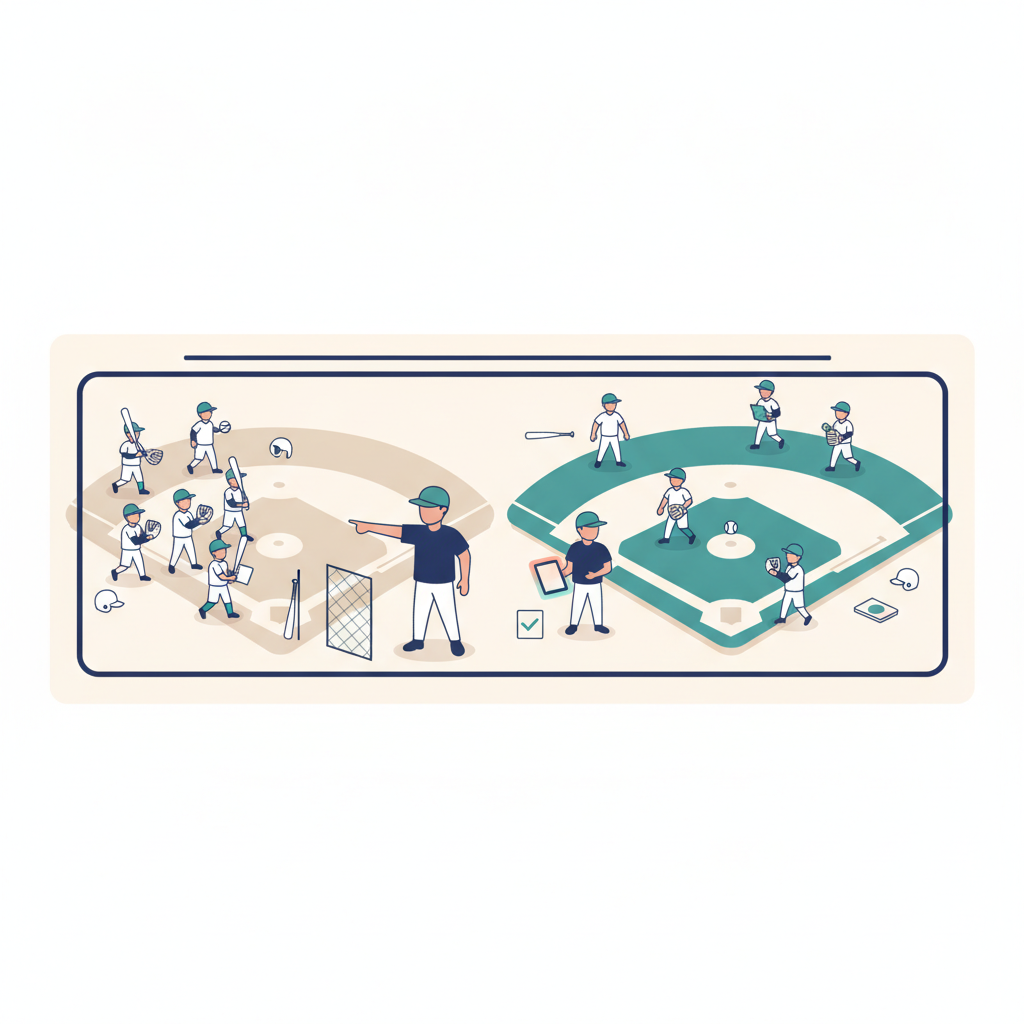
Stats are tools. Like any tool, they can build something or break something depending on how you use them. A batting average shared constructively can motivate a 13-year-old. The same number shared carelessly can crush a 10-year-old. This guide covers how to use data to coach better without creating pressure, anxiety, or taking the fun out of a game kids are supposed to enjoy.
The Core Principle
Use stats to inform your coaching decisions. Don't use stats to judge players.
The difference is subtle but critical. "I need to work on plate discipline with Jake because his K rate is 35%" is coaching. "Jake strikes out too much" is judgment. The first leads to a practice plan. The second leads to a kid who's afraid to swing.
Age-Appropriate Guidelines
8U-9U: Stats Are for Coaches, Not Kids
At this age, stats serve one purpose: helping you as a coach identify what to work on in practice. Track pitch counts (mandatory for safety) and basic contact rates. That's it.
Do: Use data to plan practices. If the team isn't making contact, do more soft toss. If your pitcher can't find the zone, work on mechanics.
Don't: Share stats with players. Don't publish batting averages. Don't rank players. At 8U, the goal is fun, fundamentals, and falling in love with the game. Stats can wait.
10U-11U: Introduce Process Stats
Players at this age can understand simple concepts like "competing at the plate" and "throwing strikes." Start tracking quality at-bats and strike percentage, stats that reward effort and process, not just outcomes.
Do: Share QAB results in positive terms: "You had 3 quality at-bats today. You battled up there."
Don't: Share batting averages publicly. Don't compare players' stats to each other. Some 10-year-olds haven't hit their growth spurt and will look "worse" statistically than early developers. What to track at 10U-11U →
12U: Selective Sharing
12U players can handle more data, but context matters. Share stats that encourage good habits: QAB percentage, OBP, strike percentage. Be selective with stats that can be discouraging: batting average, ERA, errors.
Do: Have individual conversations about development: "Your OBP improved from .320 to .390 this month. The walks show your patience is getting better."
Don't: Post full team stats on a website or in a group chat where parents compare players. What to track at 12U →
13U+: Full Transparency (With Care)
At 13U+ travel, players and parents expect stats. Share them, but frame them in context. Show trends, not just current numbers. Compare the player to themselves (last month, last season), not to teammates.
Do: Use stats in player evaluations alongside subjective assessment. "Your OPS went from .650 to .780. Here's what changed."
Don't: Use stats as the sole basis for playing time decisions without context. A travel player hitting .180 in a slump might still be your best hitter based on hard-contact data and QAB. What to track at 13U-14U →
How to Talk to Parents About Stats
Lead with process, not results. "We track quality at-bats because it measures how your kid competes at the plate." Parents who understand QAB are less likely to fixate on batting average.
Have the data ready. When a parent asks about their kid's playing time or performance, concrete data defuses emotional conversations. Playing time tracking gives you the numbers.
Set expectations early. At the first team meeting: "We use data to coach and develop players. Stats help us plan practices and build lineups. They're not report cards."
Stats That Help vs. Stats That Hurt
| Helpful at Youth Level | Harmful at Youth Level |
|---|---|
| QAB% (rewards process) | Public batting average rankings |
| Strike % (actionable development) | ERA below 12U (unreliable) |
| OBP (rewards discipline) | Error counts shared with players |
| Pitch count (arm safety) | Win-loss record attributed to individual pitchers |
| Trend comparisons (you vs. your past self) | Cross-player comparisons posted publicly |
Frequently Asked Questions
A parent wants me to publish batting averages for the team. Should I?
At 12U and below: no. Explain that you track stats for coaching purposes and share individual data in parent-coach conversations. At 13U+ travel: it's your call, but consider sharing only the stats that reward good process (OBP, QAB) rather than ones that punish bad luck (AVG).
How do I use stats without making a kid feel bad about their performance?
Always pair the number with context and a coaching action. Not "your OBP is .280" but "your OBP is .280. You're swinging at some pitches outside the zone, so this week in practice, let's work on pitch recognition."
What if a parent asks about their kid's stats and the numbers aren't good?
Focus on trends and QAB. "His batting average is .200 right now, but his QAB percentage is 52%, which means he's competing. The hard contact is there. With more reps, the average will come up." Full QAB coaching guide →
Stats should make coaching better, not harder. Average Stats by Age → · Stats Hub →
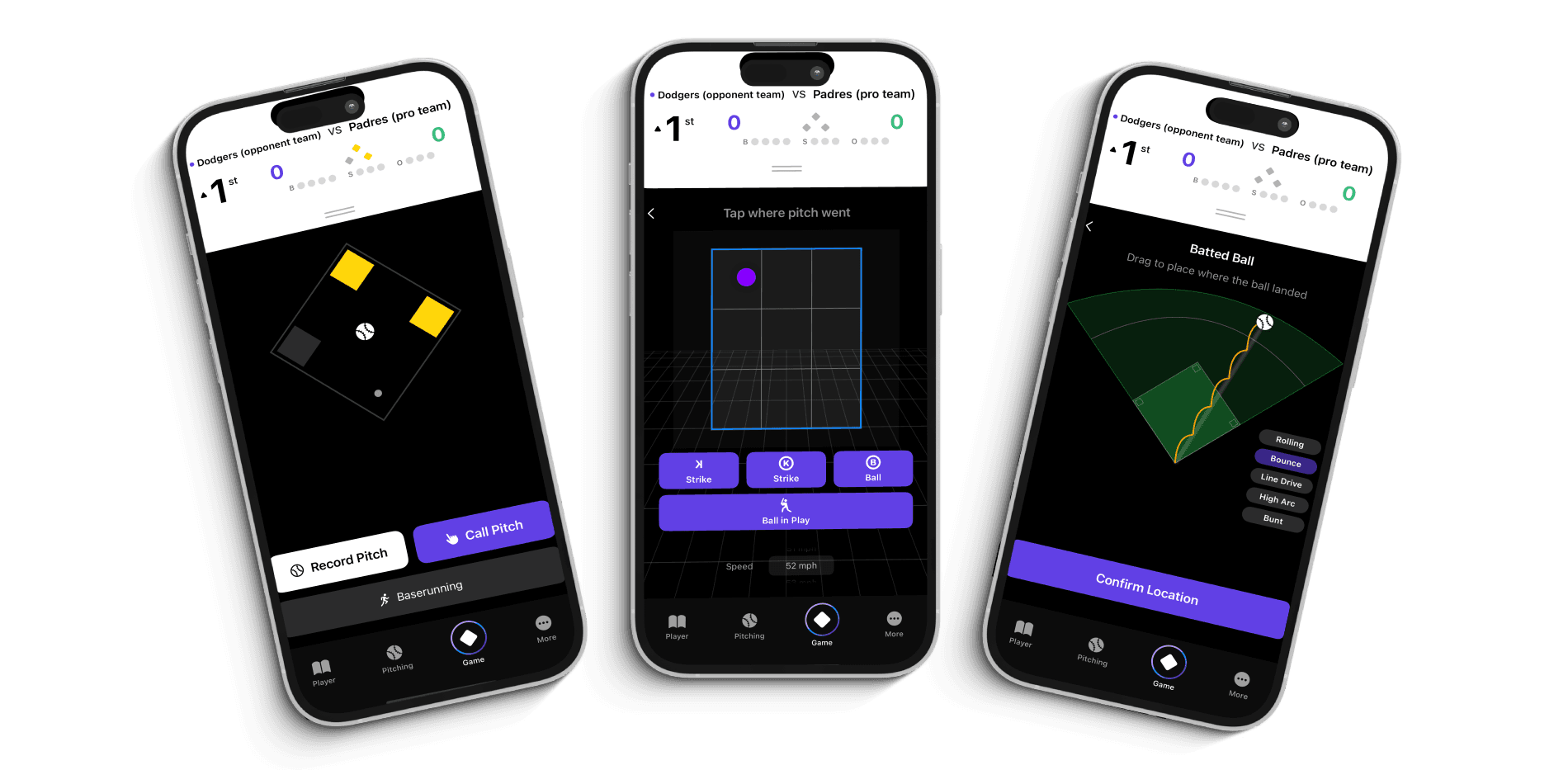
Rizzler tracks the stats in this guide automatically when you score games, so you can coach from the data without living in a spreadsheet. Basic stats and scoring are included on every plan, and the free plan covers one team.
Rolling out a stats philosophy across a whole club or league? We can help you set that up.
Talk to our team
Want to spend more time coaching and less time with paperwork? Let's talk.
Tell us about your team and we'll show you how to plan games, set lineups, run the schedule, and develop players in one place, so you spend the season coaching instead of chasing admin.
Less admin, more coaching
Plan games, set lineups, and track the season in one place
Keep every family in the loop automatically
Tell us about your program
4 fields · takes 30 seconds
Lands in the same inbox as the Help button · human response only
Read Next
Best Apps for Little League Administrators in 2026
LearnVolleyball Serve Receive: Patterns by Rotation and System
VolleyballBest Baseball Tryout Management Tools in 2026
LearnPONY Baseball Age Chart 2026: Divisions & Cutoff
RulesRest Day Rules by League for Tournament Baseball
BlogQuality At-Bats (QAB) Explained for Parents & Players
Learn