
Learn
How to Build a Batting Order for 15U-18U Baseball
At 15U-18U, batting order construction mirrors professional strategy: OBP at the top, OPS in the middle, and matchup awareness throughout. Your lineup at this age should be built on data from 30+ games, account for pitcher-batter matchups when available, and balance short-term competitive needs with long-term player development for college-bound athletes.
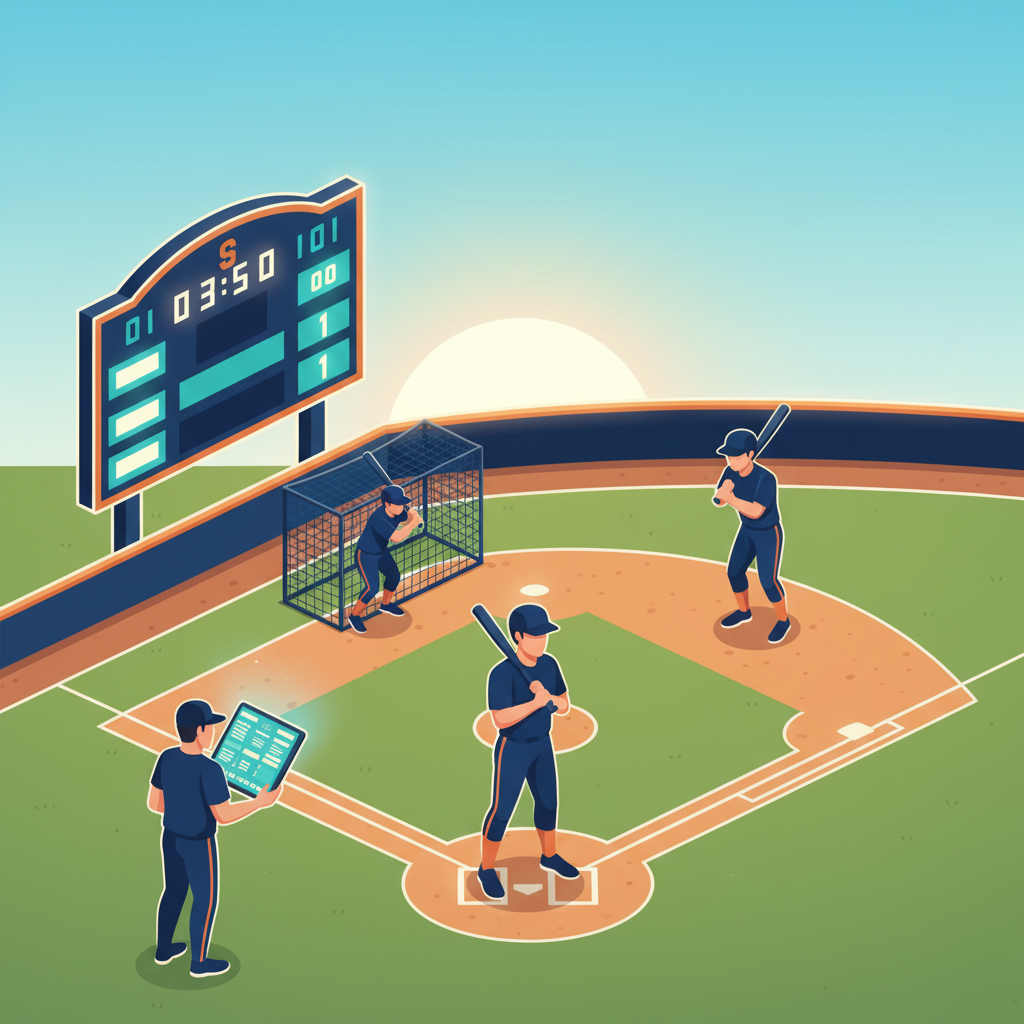
The 15U-18U Lineup Framework
The modern approach to lineup construction at this level is data-first. Recent research (and MLB practice) shows that the traditional "bunt-and-run" style 2-hole hitter is outdated. Your best hitter should bat second or third. Your highest-OBP player should lead off. Here's the framework:
| Spot | Role | Priority Stat |
|---|---|---|
| 1 | On-base machine. Sees the most pitches per game. | OBP (.380+) |
| 2 | Best overall hitter. Highest combination of contact and production. | OPS |
| 3 | Elite hitter with power. Drives in runs with runners in scoring position. | OPS, SLG |
| 4 | Power hitter. Doesn't need to be your "best" hitter; needs to hit for distance. | SLG, HR |
| 5 | Run producer. Reliable with runners on. Patient enough to take walks. | OPS, RBI, OBP |
| 6-7 | Competent hitters with one standout tool. Rotate based on matchups. | OBP or AVG |
| 8-9 | Developing players or specialists. Some coaches use the 9-hole as a "second leadoff." | OBP for 9-hole strategy |
The Modern 2-Hole Approach
The old school says: leadoff gets on, #2 bunts him over, #3-4 drive him in. Data says: your best hitter should bat second because that spot gets the most at-bats with runners on in the first inning AND the most total at-bats over a full game.
At 15U-18U, if your best hitter has an OPS of .950 and your second-best has .820, put the .950 hitter in the 2-hole. He'll see more pitches, get more at-bats in high-leverage situations, and produce more runs over a season than he would hitting third or fourth.
Using Splits and Matchup Data
At 15U-18U with 40+ games of data, platoon splits become meaningful. Some hitters perform significantly differently against left-handed and right-handed pitchers. If you're tracking games in Rizzler, AI stats analysis helps you dig into the numbers to see whether those splits are real.
In tournament play, matchup data matters even more. If you've faced a team before, Rizzler's in-game intel (a Club plan feature) shows pitcher-batter history from previous games. Adjust your lineup to put hitters in spots where they've historically performed against that day's starter.
Lineup Adjustments for Tournaments vs. Showcases
Tournament games (bracket play): Optimize for winning. Put your strongest lineup out there. Use splits if available. Stack contact hitters at the top against a high-strikeout pitcher. Stack power hitters if the opposing pitcher is hittable.
Showcase events: Balance exposure with competition. College scouts watch specific innings and at-bats. Make sure your college-prospect players get visible at-bats. Sometimes that means adjusting the order to put a recruit in a prime spot for the innings scouts are watching.
Pool play: Use the opportunity to experiment. Test a developing player in the 3-hole. See how your 8-hitter responds to batting second. Pool play data informs your bracket play lineup decisions.
Common 15U-18U Lineup Mistakes
Batting your fastest player leadoff regardless of OBP. Speed without on-base ability is wasted in the leadoff spot. A .320 OBP speedster is less valuable leading off than a .400 OBP player who runs average.
Sticking with the same lineup when the data says otherwise. Loyalty to a lineup spot should be weaker than the evidence. If your cleanup hitter's OPS has dropped 200 points over the last 10 games, it's time to adjust.
Ignoring the 9-hole. In a 9-man lineup, the 9-hole is a strategic slot. A patient hitter who gets on base ahead of your 1-2-3 hitters turning the lineup over creates extra scoring opportunities.
Frequently Asked Questions
Should my lineup be the same every game at 15U-18U?
Your core 1-5 should be relatively stable, with adjustments for matchups and hot/cold streaks. Spots 6-9 should rotate more based on data and development needs. Review the lineup weekly using Rizzler's AI stats analysis.
How do I balance college exposure with winning?
In showcase events, adjust the order to give recruitable players visible at-bats. In bracket play, optimize for winning. The two goals aren't always in conflict, since most college-level players should be in your top 5 anyway.
What's the most important stat for lineup construction?
OPS, which combines on-base ability and power into one number. For leadoff specifically, OBP is king. For the 3-4-5 spots, SLG gains importance.
Does Rizzler's AI handle advanced lineup optimization?
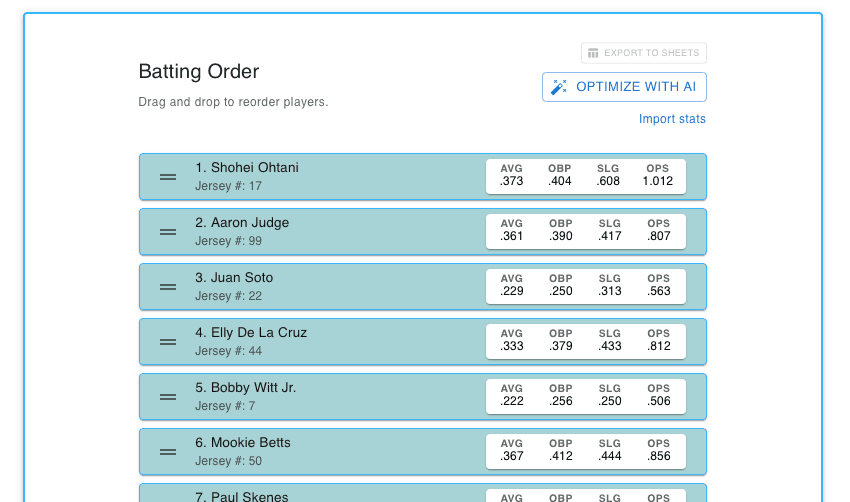
Yes. Rizzler's AI batting order analyzes OBP, OPS, SLG, and K-rate to suggest an optimized lineup you can adjust. At 15U-18U with a full season of data, the AI has a deep sample to work from.
Ready to put a full season of data behind every lineup decision?
Running a high school program or large travel organization? Our team can help.
Talk to our team
Want to spend more time coaching and less time with paperwork? Let's talk.
Tell us about your team and we'll show you how to plan games, set lineups, run the schedule, and develop players in one place, so you spend the season coaching instead of chasing admin.
Less admin, more coaching
Plan games, set lineups, and track the season in one place
Keep every family in the loop automatically
Tell us about your program
4 fields · takes 30 seconds
Lands in the same inbox as the Help button · human response only
Read Next
TeamSnap Alternatives: 7 Options Compared for 2026
ComparisonHow to Build a Batting Order for 8U Baseball
LearnVolleyball Setting Drills: Technique Work + Setter Training
VolleyballHow to Run a Lacrosse Tryout: A Coach's Step-by-Step Guide
LearnHow to Build and Manage a Football Roster
BlogLittle League Pitching Rules: Complete Guide for Coaches
Rules